

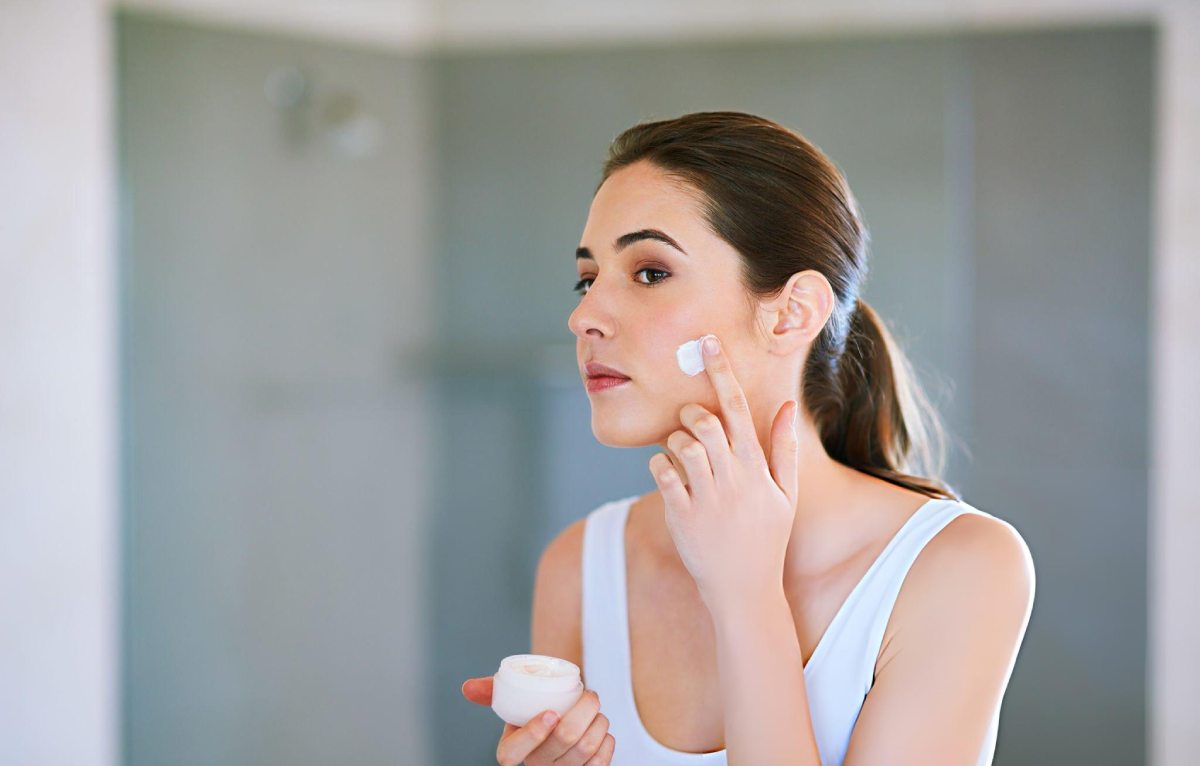
In the last decade, skincare has shifted from a vanity-driven hobby to a specialized branch of self-care rooted in biology and chemistry. We no longer just want to “look good”; we want our skin to function at its highest capacity. As our body’s largest organ and its primary line of defense against the environment, the skin is a complex ecosystem that requires a strategic, informed approach.
Achieving a healthy complexion in the 2020s isn’t about chasing “perfection”—it’s about supporting the skin’s natural resilience against pollution, UV radiation, and internal stress. This article explores the pillars of modern dermatology, ingredient efficacy, and the holistic habits that define a professional-grade skincare philosophy.
1. The Biological Foundation: Understanding the Skin Barrier
Before you can choose the right products, you must understand the “Gatekeeper”: the Stratum Corneum, or the skin barrier. Often described through the “brick and mortar” analogy, your skin cells (corneocytes) are the bricks, and a complex mixture of lipids (ceramides, cholesterol, and fatty acids) is the mortar.
When this barrier is intact, it performs two critical functions: Transepidermal Water Loss (TEWL) prevention—keeping moisture inside—and protection against external irritants. Modern skincare is moving away from aggressive “stripping” and toward “barrier-first” formulations. If your skin is persistently red, stinging, or rough, your mortar is likely cracked. Understanding that every product you apply should support, not fight, this barrier is the first step toward long-term skin health.
2. The Skintellectual Movement: Decoding the “Holy Grail” Actives
The modern consumer is a “Skintellectual”—someone who shops by ingredient list rather than brand name. To build an effective 1,800-word-level routine, you must understand the primary actives that drive cellular change.
- Retinoids (The Gold Standard):Derivatives of Vitamin A that speed up cell turnover and boost collagen. From over-the-counter Retinol to prescription-strength Tretinoin, these are the only ingredients proven to significantly reverse signs of photo-aging and acne at a structural level.
- Vitamin C (The Daytime Bodyguard):A potent antioxidant that neutralizes free radicals caused by UV light and pollution. It brightens hyperpigmentation and acts as a “safety net” for your sunscreen.
- Niacinamide (The Great Communicator):Also known as Vitamin B3, this is a versatile ingredient that regulates oil, shrinks the appearance of pores, and strengthens the lipid barrier. It is unique because it plays well with almost every other active.
- Chemical Exfoliants (AHA/BHA/PHA):Moving away from abrasive physical scrubs, modern skincare uses acids like Glycolic (AHA) for surface glow and Salicylic (BHA) to “degunk” pores from the inside.
3. The Skin Microbiome: The Secret World of Beneficial Bacteria
The next frontier of skincare isn’t about “killing germs”; it’s about “farming” them. Your skin is home to trillions of microbes—bacteria, fungi, and viruses—known as the Skin Microbiome. A diverse microbiome is the key to preventing inflammatory conditions like eczema, rosacea, and adult acne.
Over-cleansing with harsh surfactants and the overuse of antibacterial products can “sterilize” the skin, killing off the beneficial bacteria that keep harmful pathogens in check. Modern formulations are now incorporating prebiotics (food for good bacteria), probiotics (live beneficial bacteria), and postbiotics (the beneficial byproducts of bacteria) to maintain a balanced pH and a thriving ecosystem.
4. The “Skinimalism” Shift: Quality Over Quantity
For years, the “10-step routine” dominated the industry. However, dermatologists are now seeing a rise in “irritant contact dermatitis” caused by product overload. Enter Skinimalism.
Modern skincare philosophy suggests that more steps do not equal better results. In fact, mixing too many actives—like using a high-strength Vitamin C alongside a Retinol and an AHA—can cause “inflammaging,” a state of chronic low-level inflammation that actually accelerates the aging process. A sophisticated modern routine focuses on a “Core Four”: a gentle cleanser, a targeted treatment (like a serum), a barrier-repairing moisturizer, and a broad-spectrum SPF.
5. Chronobiology: Aligning Skincare with Your Circadian Rhythm
Your skin behaves differently depending on the time of day. This is known as Skin Chronobiology.
- Daytime Mode:During the day, the skin is in “Protection Mode.” Its pH rises, and it produces more sebum to shield itself from the sun and pollution. Your daytime routine should focus on antioxidants and UV protection.
- Nighttime Mode:While you sleep, the skin shifts into “Repair Mode.” Blood flow to the skin increases, and cellular regeneration peaks. This is the optimal time to apply heavy-duty actives like Retinoids and Peptides, as the skin’s permeability is higher at night.
6. Photobiology and the Evolution of Sun Protection
We used to think SPF 15 was enough. We now know that UV radiation is responsible for 80-90% of visible skin aging. But modern sun care goes beyond just “blocking the sun.”
We are now uncovering the damage caused by High-Energy Visible (HEV) light—the blue light from our screens—and Infrared radiation. Modern sunscreens are being formulated with iron oxides and antioxidants to protect against this full spectrum. Furthermore, the industry is shifting toward “biocompatible” filters that are reef-safe and non-disruptive to human hormones, reflecting a more holistic approach to environmental and personal health.
7. The Gut-Skin Axis: Internal Health as Topical Beauty
You cannot “cream” your way out of a poor diet. The Gut-Skin Axis refers to the bidirectional relationship between your digestive health and your skin’s clarity. Chronic inflammation in the gut, often caused by high-sugar diets or food sensitivities, frequently manifests as “skin flares.”
Modern skincare consultations now often include discussions on hydration, omega-3 fatty acids, and probiotic intake. By reducing systemic inflammation through nutrition and stress management, the skin’s “baseline” improves, making your topical products significantly more effective.
8. Psychodermatology: The Link Between Stress and Skin
The brain and the skin are derived from the same embryonic layer. This is why we blush when embarrassed or break out before a big presentation. Psychodermatology is an emerging field that treats skin conditions by addressing psychological triggers.
High cortisol levels (the stress hormone) directly break down collagen and elastin. Modern skincare isn’t just about what you put on your face; it’s about how you manage your nervous system. Mindfulness, sleep hygiene, and “slow beauty” rituals are now considered legitimate components of a professional skin health strategy.
Conclusion
Skincare in the modern age is an exercise in intentionality. It is the marriage of rigorous laboratory science and ancient holistic wisdom. By respecting your skin’s barrier, understanding the chemistry of your ingredients, and acknowledging the internal factors that drive skin health, you can move beyond the “quick fix” and toward a lifetime of radiant, resilient skin.