
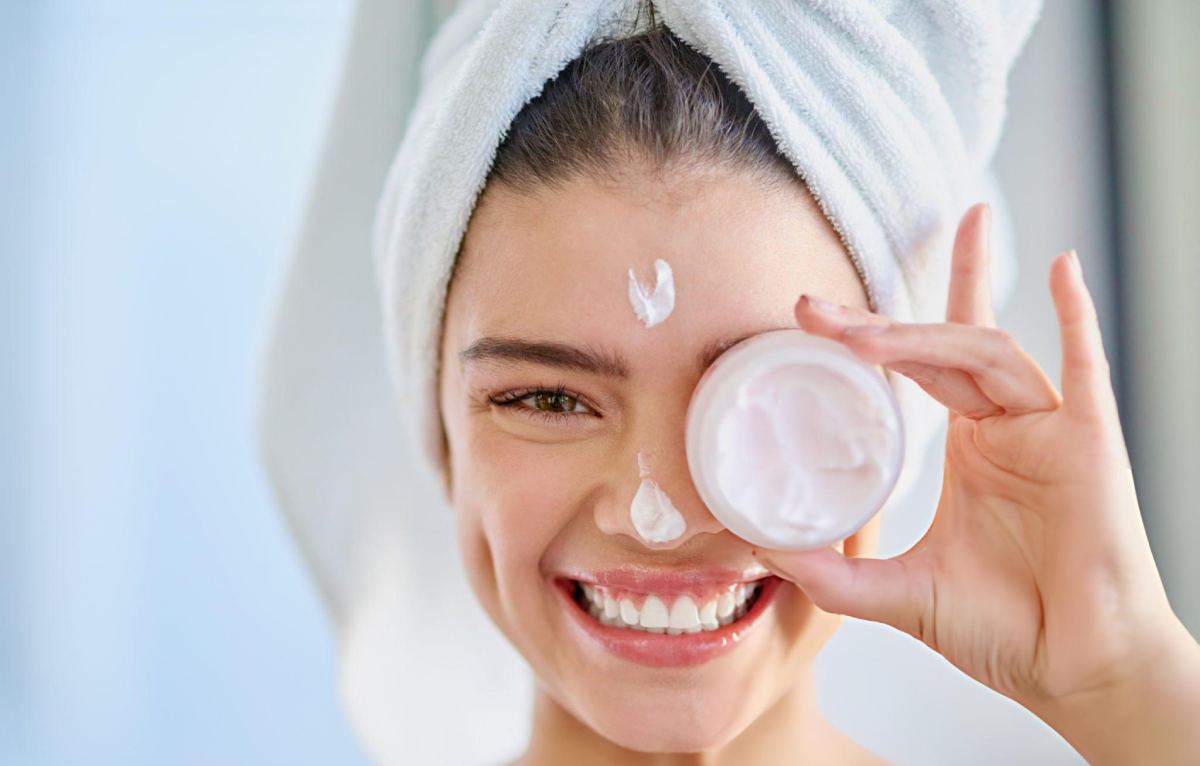
What started as a niche movement in health food stores has transformed into a multi-billion dollar global phenomenon. Clean Beauty is no longer just a trend; it is a fundamental shift in how consumers perceive personal care. At its core, clean beauty is about the intersection of “non-toxic” ingredients and environmental responsibility.
However, as the industry grows, so does the confusion. With no federal definition of what “clean” actually means, the burden of research has shifted to the consumer. This article serves as a comprehensive guide to understanding the chemistry, the controversies, and the future of the clean beauty landscape.
1. Defining Clean: Beyond the Marketing “Greenwashing”
The biggest challenge in the industry is the lack of regulation. In the United States, the FDA does not legally define “clean” or “natural.” This has led to “greenwashing,” where brands use leafy imagery and “earthy” fonts to imply safety without actually changing their formulas.
The “Free-From” Philosophy
Clean beauty is primarily defined by what is not in the product. Most clean standards start with a “Never List”—a collection of ingredients linked to hormone disruption, skin irritation, or environmental toxicity. Common culprits include parabens, phthalates, sulfates, and synthetic fragrances.
Safety vs. Source
A common misconception is that “natural” equals “safe” and “synthetic” equals “toxic.” In reality, poison ivy is natural but not safe, while many lab-made ingredients are bio-compatible and highly effective. Modern clean beauty focuses on Biocompatibility—whether an ingredient (natural or synthetic) works harmoniously with the skin’s biology without causing systemic harm.
2. The “Dirty List”: Understanding the Ingredients to Avoid
To understand clean beauty, we have to look at the toxicology of conventional cosmetics. Many traditional ingredients were grandfathered into use before modern testing was available.
- Parabens:Used as preservatives to prevent mold and bacteria. However, studies have shown they can mimic estrogen in the body, potentially disrupting the endocrine system.
- Phthalates:Often hidden under the umbrella term “Fragrance” or “Parfum,” these chemicals help scents last longer but are linked to reproductive issues.
- Sodium Lauryl Sulfate (SLS):A foaming agent that gives shampoos their lather but is a known skin irritant that can strip the moisture barrier.
- Formaldehyde Releasers:Certain preservatives (like DMDM hydantoin) slowly release small amounts of formaldehyde, a known carcinogen, over time.
3. The Role of Preservation: The Challenge of Clean Chemistry
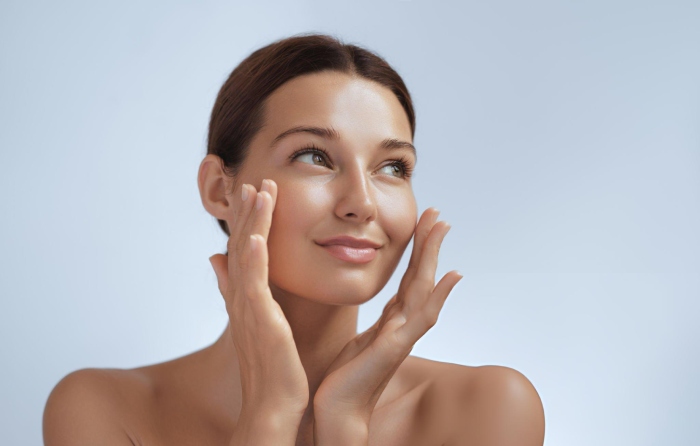
One of the hardest hurdles for clean beauty brands is keeping products shelf-stable without using “harsh” preservatives. Because clean products often contain water and botanical extracts, they are breeding grounds for bacteria.
Modern clean brands are turning to Hurdle Technology—a method of using multiple mild preservatives (like organic acids and fermented radishes) combined with airless packaging to keep products fresh. This shift requires a higher level of chemistry and often results in a shorter shelf life, which is a trade-off many clean beauty enthusiasts are willing to make for peace of mind.
4. Sustainability and “Blue Beauty”
You cannot have clean beauty on a dirty planet. The movement has expanded to include the entire lifecycle of a product.
Circular Packaging
Clean beauty is leading the charge in reducing plastic waste. This includes the rise of “refillables,” glass packaging, and “naked” products (like solid shampoo bars). Brands are also looking at “Post-Consumer Recycled” (PCR) plastics to ensure they aren’t introducing new waste into the ecosystem.
Blue Beauty and Water Safety
“Blue Beauty” focuses specifically on the impact of skincare on our oceans. This includes the ban on oxybenzone in sunscreens (which bleaches coral reefs) and the elimination of microplastics that end up in the water supply. Clean beauty is increasingly about ensuring that what we wash off our faces doesn’t harm the fish or the flora.
5. The Transparency Movement and Third-Party Certifications
Since the government doesn’t define clean, third-party organizations have stepped in to provide “seals of approval.”
- EWG Verified:The Environmental Working Group’s seal is the gold standard for many, requiring brands to be fully transparent about every ingredient.
- COSMOS/Ecocert:These European standards are much stricter than US laws, requiring a high percentage of organic ingredients and sustainable manufacturing.
- Leaping Bunny:While not strictly about ingredients, this ensures the product is cruelty-free—a core value for most clean beauty consumers.
6. The Future: “Cleanical” Beauty
The next phase of this movement is Cleanical Beauty—the marriage of “Clean” and “Clinical.” Consumers are no longer satisfied with just “safe” products; they want results. We are seeing a surge in lab-backed, clean formulas that use fermented actives, plant-based stem cells, and stabilized Vitamin C to deliver dermatologist-grade results without the “dirty” fillers.
Conclusion
Clean beauty is an exercise in consumer empowerment. It is about demanding a higher standard of safety and transparency from the brands we trust. By understanding the “why” behind the “free-from” lists and prioritizing sustainability, we can protect both our health and the planet.