

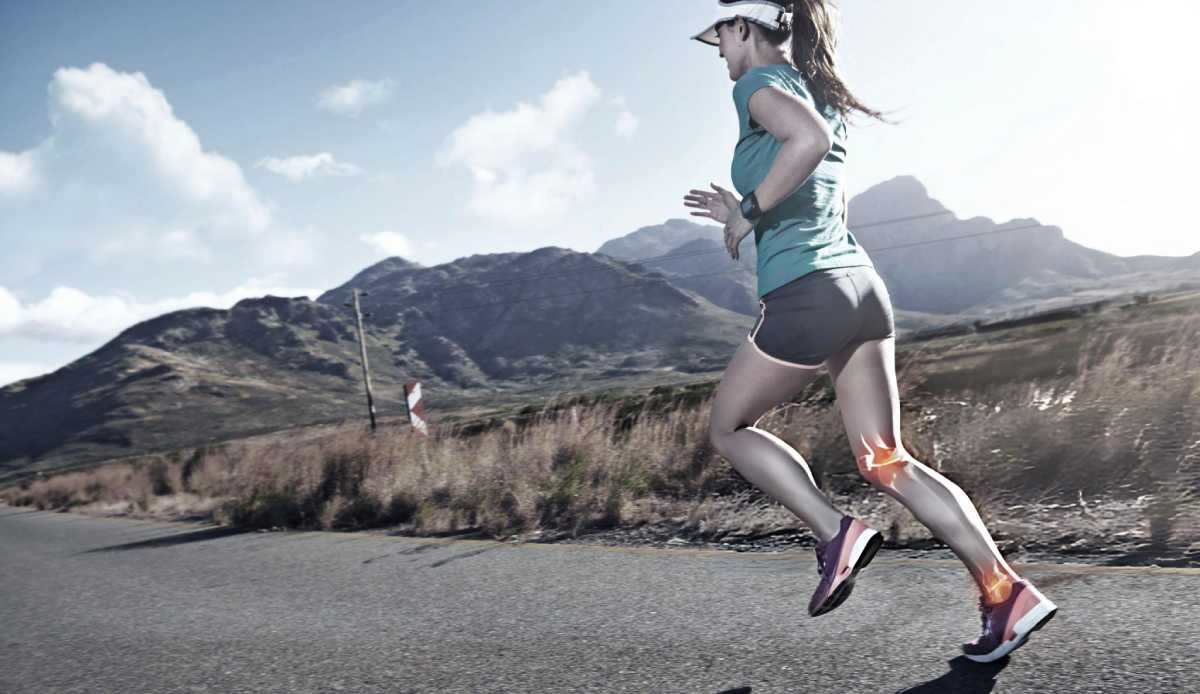
Half of all runners will be injured during their lifetime while running. These injuries often affect the lower half of the body. Staying Healthy and Injury-Free However, these injuries do not have to occur. With the right information, every runner can significantly reduce their risk of injury. Keep the following points in mind when participating in this sport to avoid getting distracted.
Warm Up
Always warm up before you run. People often assume that this means starting with a slow jog and then speeding up. However, it is best to do slow, steady stretches, focusing on your hamstrings and calves, before you jog or run. In addition, dynamic stretching exercises help prevent injuries.
These include lunges, high knees, and backbends. Do a combination of dynamic and holding stretches. This helps your body relax for a run and reduces the risk of injury. If an injury occurs, you should consider running physiotherapy.
Stay Hydrated
Muscle cramps plague many runners. Dehydration increases the risk of these cramps, and running can deplete the body of electrolytes. Dehydration before running increases the risk of muscle cramps. Potassium is an important electrolyte because it helps muscles relax after they have contracted. When potassium levels are low, the hamstrings, quadriceps, and calf muscles can cramp.
This can make it difficult to continue, and this risk increases if the runner is sweating. Drink plenty of water to reduce the risk of this. If you need to rehydrate quickly, an IV drip from Riverside can replenish vitamins and restore your body’s normal fluid levels. Treatments typically last 30 – 45 minutes and can include post-workout recovery.
The Right Footwear
The right pair of running shoes starts with a gait analysis. People have different running styles, and this analysis tells the retailer which part of the foot hits the ground first and how the foot moves through the motion. If the gait is somehow wrong, the runner is more likely to slip and fall, but the right shoes can prevent this. Visit a store that offers this gait analysis to learn what style of shoe to buy to reduce the risk of injury.
Track Mileage
Every runner should track their mileage. This gives them a sense of accomplishment when they see how far they have come since they started running, but also lets them know when it is time to invest in a new pair of shoes.
A runner’s risk of injury increases significantly when they wear worn-out shoes. They will also find that they have more pain in their hips, knees and ankles. Change shoes every 300 to 500 miles. Smaller people usually find that they get closer to 500 miles. Taller, heavier people often need to replace their shoes after about 300 miles.
Get Plenty of Sleep
Sleep is essential because it gives the body time to recover from a run. Lack of sleep disrupts this recovery. Muscles break down at the cellular level during a run. When a runner sleeps, the body repairs the cells. Additionally, if a person doesn’t get enough sleep, they are at a higher risk of infections because lack of sleep affects their immune function. A person must get enough sleep, otherwise their body will force them to do so after an injury or illness.
Runners often assume that injuries are a normal part of this activity, but they don’t have to be. With these tips, anyone can reduce the risk of injury while participating in an activity they love. If you need more help, reach out to the pros. They’re happy to help you in any way they can.