

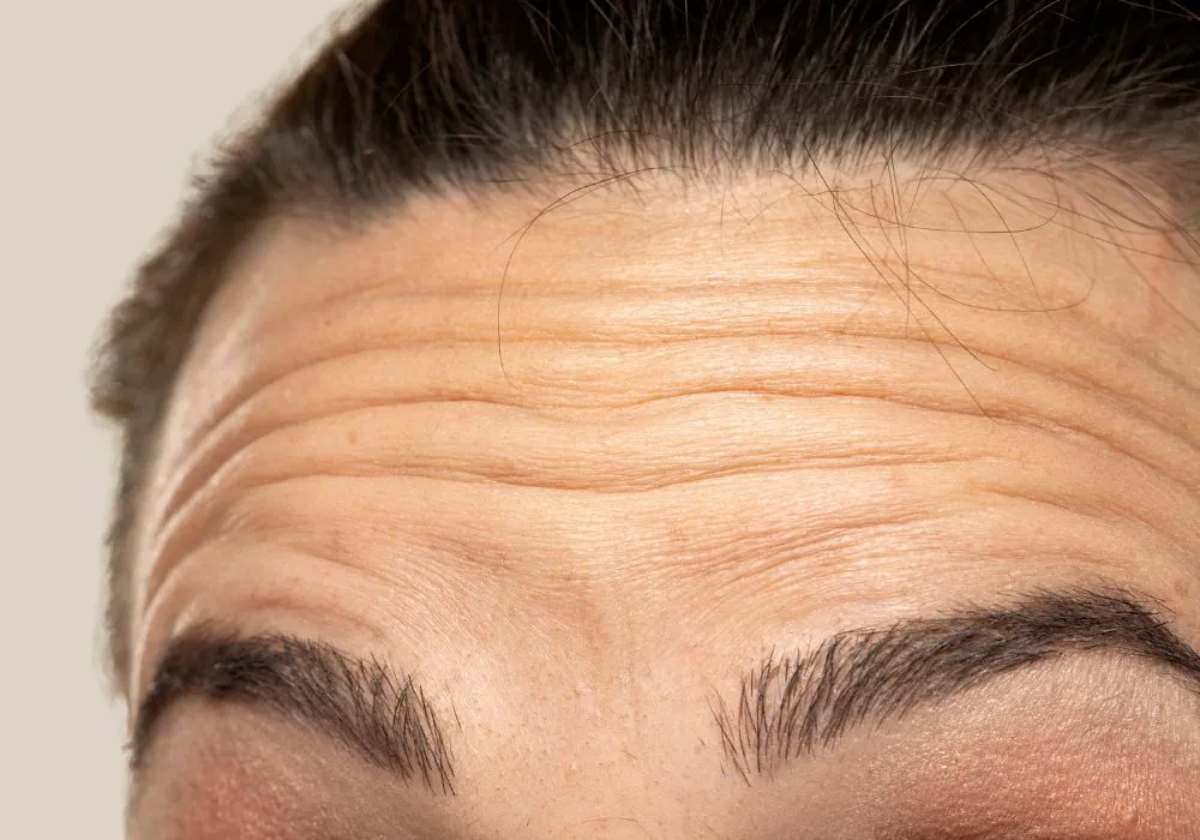
You know that most people develop wrinkles as they age, but do you know what actually causes them and what can prevent them from forming? All kinds of rumors circulate regarding wrinkles and fine lines, making it difficult to distinguish reality from fiction. In this guide, we debunk 11 common myths about wrinkles and their treatments.
There’s nothing you can do to prevent wrinkles.
If you have been told that there is nothing you can do to prevent wrinkles, this is, without a doubt, a myth. Wrinkles are a natural part of aging—and, sooner or later, everyone will end up with at least a few—yet there are many things you can do to slow down their appearance. If you have completely given up on wrinkle prevention, read on to discover which measures actually curb their formation and which ones do not.
A perfect skincare routine will totally prevent wrinkles.
On the other hand, you may have been told that if you simply manage to find the perfect skincare routine, it will completely prevent the formation of wrinkles. This is a myth, as there is no single “perfect” skincare routine: every person’s skincare needs are different—and, moreover, change throughout their lifetime—meaning that your perfect routine is unique to you. And while some anti-aging products may slow the appearance of wrinkles, none can completely halt their formation.
Wrinkles are mostly caused by genetics.
Another myth about wrinkles is that they are largely due to our genetics. While genetics can—and indeed does—play a role in the formation of wrinkles, environmental factors—such as ultraviolet radiation and exposure to pollution—are primarily responsible for their appearance. If your older relatives have many wrinkles, it is likely that they did not use sunscreen and smoked heavily during their youth.
You should only wear sunscreen when you’re outside.
It is possible that, during your childhood, you were told that you only needed to wear sunscreen if you were going to be outdoors on a sunny day. This is completely false: UV rays can penetrate clouds and windows, damaging your skin—even on cloudy days—and leading to the premature formation of wrinkles. In fact, you should apply sunscreen to the exposed areas of your face and décolletage every day, even if you are just sitting indoors.
Moisturizing can prevent wrinkles.
Dry, dull skin can accentuate the appearance of wrinkles, while hydration can temporarily reduce the visibility of fine lines by plumping the skin and smoothing its surface. However, hydration alone cannot prevent or eliminate wrinkles.
While moisturizer is an essential part of any skincare routine, it is not a substitute for sunscreen; therefore, be sure to use both in conjunction rather than opting for just one.
Wrinkle treatment is too expensive.
While it is true that there are some luxury beauty treatments with a high price tag due to their innovative ingredients, not all anti-wrinkle treatments are extremely expensive. In fact, some of them—such as sunscreen—cost just a few dollars and can be easily purchased at the pharmacy. Preventing wrinkles is one of the best investments you can make in your health.
You should wait to treat wrinkles until they become visible.
While there are certain resources that can help diminish the appearance of wrinkles once they have formed, it is far more effective to treat them as they begin to manifest. For this reason, it is never too early to start using anti-aging skincare products—even if you are still in your twenties. In fact, the sooner you start using them, the more effective they will be at delaying the onset of wrinkles and fine lines.
Facial exercises can prevent wrinkles.
You may have heard that facial exercises (sometimes called “facial yoga”) can treat or prevent the formation of wrinkles. Unfortunately, these claims have not actually been studied, so there is no evidence to support this theory. What we do know is that making the same facial expression over and over again can cause wrinkles; therefore, those facial exercises could, in fact, prove harmful!