

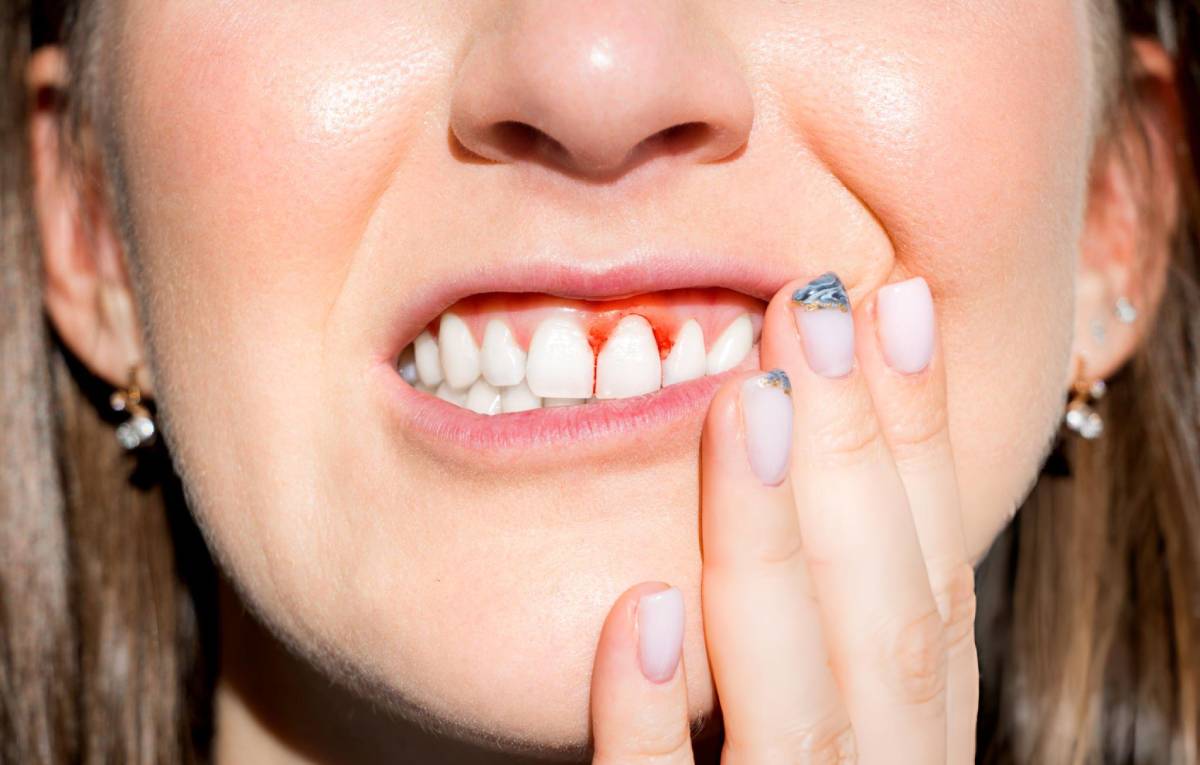

Seeing a ting of pink in the sink after brushing is often dismissed as “brushing too hard,” but in 2026, the medical community views oral health as a primary window into systemic wellness. Bleeding gums are rarely an isolated event; they are a biological alarm system signaling inflammation, nutritional gaps, or underlying health conditions.
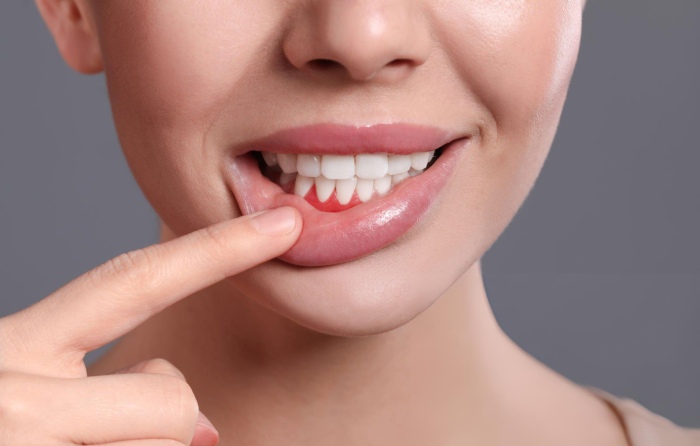
When your gums bleed, it is usually because the delicate gingival tissues have become inflamed, a condition known as gingivitis. Left unchecked, this can evolve into periodontitis, which is linked to heart disease, diabetes, and even cognitive decline. Understanding the specific bleeding gums causes is the first step in moving from reactive care to proactive health.
1. Plaque Accumulation: The Primary Driver of Inflammation
The most common of all bleeding gums causes is the buildup of dental plaque—a sticky, colorless film of bacteria that constantly forms on your teeth.
- The Inflammatory Response: If plaque is not removed through daily brushing and flossing, the bacteria release toxins that irritate the gum tissue. To fight this “invasion,” your body sends more blood to the gums, making them swollen and prone to bleeding.
- The Tartar Transition: Within 24 to 72 hours, plaque that isn’t removed can harden into tartar (calculus). Once tartar forms, it can only be removed by a dental professional. Tartar acts as a “luxury hotel” for bacteria, providing a rough surface for more plaque to cling to, further exacerbating the bleeding.
2. Hormonal Shifts: Life Stages and Gingival Sensitivity
In 2026, we have a much deeper understanding of the “hormone-mouth connection.” Hormonal fluctuations can significantly increase the blood flow to gum tissues, making them hypersensitive to even small amounts of plaque.
- Pregnancy Gingivitis: Elevated progesterone levels during pregnancy can cause “pregnancy gingivitis.” This usually peaks in the second or third trimester.
- Puberty and Menstruation: Surges in estrogen and progesterone can lead to “menstrual gingivitis,” where gums become red, swollen, and likely to bleed right before a period begins.
- Menopause: Changes in hormone levels can lead to a “dry mouth” environment. Saliva is the mouth’s natural cleanser; without it, bacteria flourish, leading to increased bleeding.
3. Nutritional Deficiencies: The Internal Foundations
If you are asking about bleeding gums causes, you must look at your plate. Your gums require specific vitamins to maintain the integrity of their connective tissues.
- Vitamin C Deficiency: Vitamin C is essential for collagen synthesis. Severe deficiency leads to scurvy, which is famously characterized by bleeding gums. Even sub-clinical deficiencies can cause gums to become “spongy” and weak.
- Vitamin K Deficiency: Vitamin K is a critical component in the blood-clotting process. If your levels are low, even gentle brushing can result in prolonged bleeding.
- The Mouth-Gut Axis: Emerging research in 2026 suggests that a poor gut microbiome can lead to systemic inflammation that manifests as bleeding gums.
4. Lifestyle Factors: Smoking and Stress
External habits play a massive role in oral tissue health.
- The Smoking Mask: Interestingly, smokers may actually see lessbleeding, which is dangerous because it hides the symptoms of disease. Nicotine constricts blood vessels, masking inflammation while the underlying bone is still being destroyed.
- The Cortisol Connection: Chronic stress raises cortisol levels, which impairs the immune system’s ability to fight off oral bacteria. High-stress periods are often accompanied by “ANUG” (Acute Necrotizing Ulcerative Gingivitis), colloquially known as trench mouth.
5. Underlying Medical Conditions and Medications
Sometimes, bleeding gums are a secondary symptom of a systemic issue.
- Diabetes: High blood sugar can increase the sugar content in your saliva, feeding the bacteria that cause gum disease. Diabetics are at a much higher risk for severe periodontal issues.
- Blood Thinners: Medications like aspirin, warfarin, or newer anticoagulants make it harder for the blood to clot, leading to persistent bleeding during routine oral care.
- Autoimmune Diseases: Conditions like Lupus or Crohn’s disease can cause oral lesions and inflamed gingiva.
6. Mechanical Trauma: The Wrong Tools for the Job
Occasionally, the cause is purely physical.
- Hard-Bristled Brushes: In 2026, dental professionals almost universally recommend soft or extra-soft bristles. Hard bristles can create micro-tears in the gums and contribute to gum recession.
- Aggressive Flossing: Flossing is essential, but “snapping” the floss into the gums rather than gently “C-wrapping” it around the tooth can cause physical trauma and bleeding.
7. When to See a Professional
While occasional bleeding might be managed with improved hygiene, you should seek professional help if:
- The bleeding persists for more than 7–10 days.
- Your gums are receding (teeth look “longer”).
- You have persistent bad breath (halitosis) that won’t go away.
- You notice any loose teeth.
In 2026, dentists use AI-powered scans and salivary diagnostics to pinpoint exactly which bacteria are causing your inflammation. Treatment is no longer just about “cleaning”; it’s about rebalancing your oral microbiome.