

Achieving the hair of your dreams isn’t just about the products you buy; it’s about the habits you cultivate. In an era where “skinification” of hair care is the gold standard, treating your mane with the same precision as your skincare routine is vital. Whether you are battling frizz, dealing with thinning, or simply want to boost your natural shine, these healthy hair tips provide a comprehensive roadmap to long-term hair vitality.
From dietary choices to the science of scalp health, here is everything you need to know to transform your tresses.
1. Prioritize Scalp Health: The Foundation of Growth
In 2026, we understand that hair is essentially dead tissue once it leaves the follicle. Therefore, the only “living” part of your hair care should focus on the scalp.
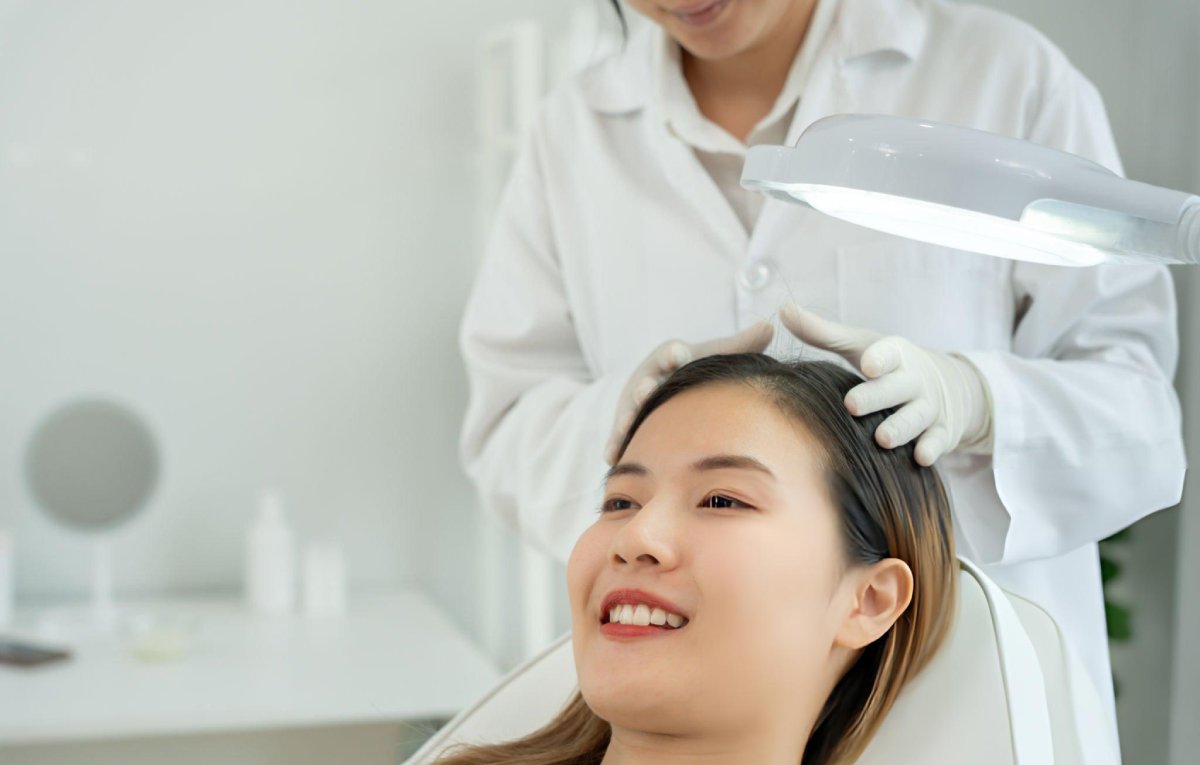
- Scalp Massages: Spend 5 minutes daily massaging your scalp with your fingertips. This increases blood flow to the follicles, delivering oxygen and nutrients necessary for growth.
- Exfoliation is Key: Use a chemical exfoliant (like Salicylic Acid) or a gentle physical scrub once a week to remove sebum buildup, dead skin, and environmental pollutants that can clog pores and stunt hair growth.
- Balance the Microbiome: Just like your gut, your scalp has a microbiome. Avoid over-washing with harsh sulfates which can strip beneficial bacteria, leading to irritation or dandruff.
2. Master the Art of Washing and Rinsing
Most people damage their hair before they even leave the shower. How you wash matters as much as what you wash with.
- Temperature Matters: Always wash with lukewarm water. Hot water strips natural oils and opens the hair cuticle excessively, leading to frizz. Finish with a cold water rinseto “seal” the cuticle, which reflects light better and adds instant shine.
- Focus on the Roots: Shampoo is for the scalp; conditioner is for the lengths. Scrubbing the ends of your hair with shampoo leads to dryness and split ends. Let the suds simply run down the lengths as you rinse.
- Double Cleansing: If you use heavy styling products or dry shampoo, try double-washing. The first wash breaks down dirt, while the second actually cleanses the skin.
3. Nutrition and Hydration: Beauty from Within
No topical treatment can replace a poor diet. Your hair is made of a tough protein called keratin, and it requires specific building blocks to stay strong.
- Protein-Rich Diet: Ensure you are eating enough lean proteins, eggs, and legumes.
- Essential Fatty Acids: Omega-3s found in walnuts, flaxseeds, and salmon provide the oils that keep your hair hydrated and shiny.
- Hydration: Hair is approximately 25% water. If you are dehydrated, your hair will be the first place to show it, becoming brittle and prone to snapping. Aim for 3 liters of water daily.
- Targeted Supplements: In 2026, supplements like Biotin, Marine Collagen, and Ironremain staples for those with deficiencies, but always consult a professional before starting a regimen.
4. Smart Drying and Friction Management
Physical trauma is a leading cause of hair breakage. The way you handle wet hair dictates its strength.
- Ditch the Terry Cloth: Traditional towels have rough fibers that snag the hair cuticle. Switch to a microfiber towelor an old cotton T-shirt to gently squeeze out moisture. Never rub!
- The 70% Rule: If you must blow-dry, let your hair air-dry to 70% first. This reduces the amount of time your hair is exposed to direct, damaging heat.
- Silk Everything: Friction during sleep is a silent hair killer. A silk or satin pillowcaseallows hair to glide smoothly, preventing the “morning bird’s nest” and reducing mid-shaft breakage.
5. Heat Styling: The Safe Way
While avoiding heat is ideal, it isn’t always practical. If you use tools, follow these non-negotiable rules:
- Heat Protectant is Mandatory: Think of it as sunscreen for your hair. Silicones and polymers in these sprays create a film that diffuses heat evenly.
- Lower the Temperature: Most hair types don’t need the 230°C (450°F) setting. Fine hair should stay below 150°C, while thicker textures can go up to 180°C.
- One Pass Only: Avoid running the flat iron over the same section multiple times. Slow, steady movements are better than repeated high-speed swipes.
6. Environmental Protection and Maintenance
Your environment is constantly trying to strip your hair of its health.
- UV Protection: Sun damage isn’t just for skin; it weakens hair proteins and fades color. Use a hair mist with UV filters if you’re spending the day outdoors.
- Micro-Trims: Don’t wait six months for a haircut. “Dusting” or micro-trimming your ends every 8 weeks prevents split ends from traveling up the hair shaft, which ultimately saves your length.
- Protective Styling: If it’s windy or particularly humid, opt for loose braids or buns. This prevents tangles that lead to breakage during detangling.
7. Understanding Ingredients and Product Selection
Read your labels like a pro. In 2026, “clean beauty” has evolved into “performance-based transparency.”
- Avoid “The Big Three”: Unless you have extremely oily hair, try to avoid Sulfates (harsh detergents), Parabens (preservatives), and certain drying Alcohols.
- Look for Humectants: Ingredients like Glycerin, Hyaluronic Acid, and Aloe Verapull moisture from the air into your hair.
- Bond Builders: If your hair is chemically treated (colored or permed), look for products containing bond-building technology (like Bis-Aminopropyl Diglycol Dimaleate) to repair the internal structure of the hair.
By implementing these healthy hair tips, you aren’t just masking damage—you are building a resilient, glowing mane that lasts a lifetime. Consistency is the secret ingredient; start small, stay dedicated, and watch your hair transform.