

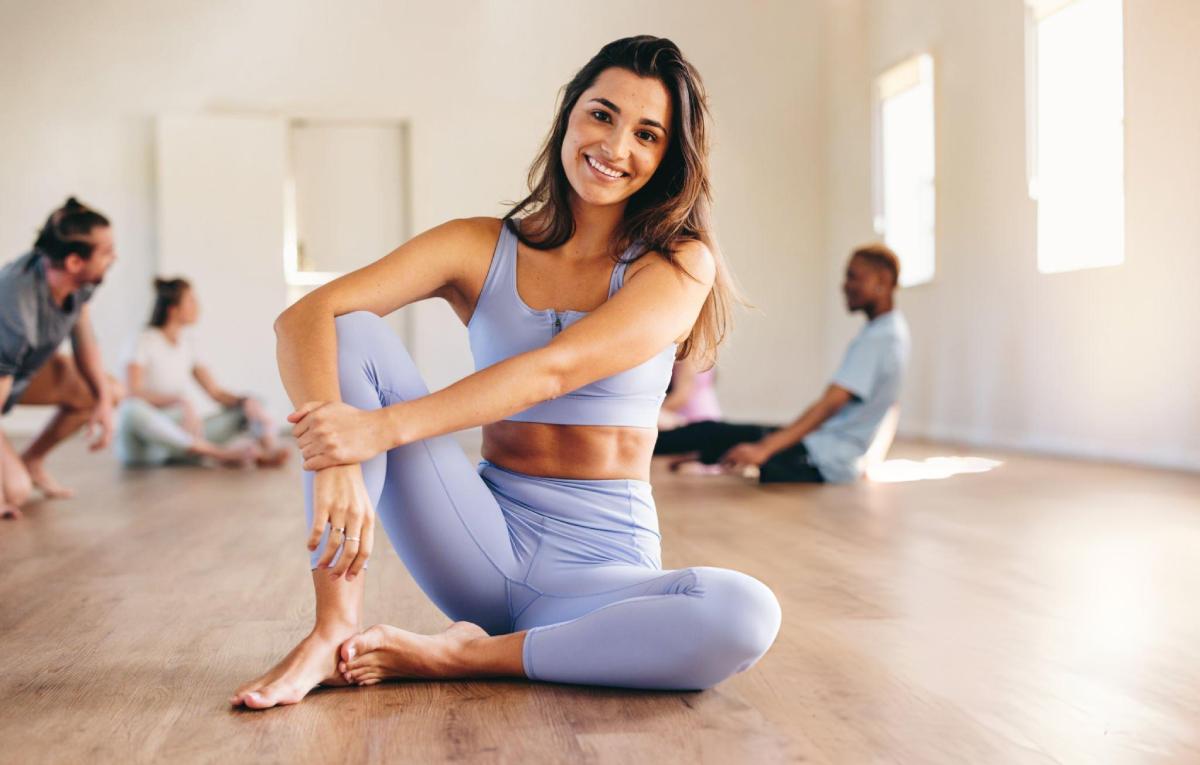

Yoga for Health: Yoga is a practice that unites the body, breath, and mind. This discipline uses postures, meditation, and breathing exercises to improve overall health. Yoga developed as a spiritual discipline thousands of years ago. Today, most Westerners practice yoga for exercise and stress relief.
The benefits of yoga
Yoga can improve your overall physical fitness, as well as your posture and flexibility. It can also:
- Lower blood pressure and heart rate.
- Help you relax.
- Improve your self-confidence.
- Reduce stress.
- Improve your concentration.
- Help you sleep better.
- Promote digestion.
- Improve your coordination.
Furthermore, yoga can help relieve the following conditions:
- Anxiety
- Back pain
- Depression
Who should take precautions
Generally speaking, yoga is a safe practice. However, it may be important to avoid or modify certain poses if:
- you suffer from high blood pressure;
- you suffer from glaucoma;
- you suffer from sciatica;
- you are pregnant.
Be sure to inform your yoga instructor if you have any of these medical conditions, or any other injuries or health issues. A qualified yoga instructor will be able to help you find safe poses.
Yoga styles
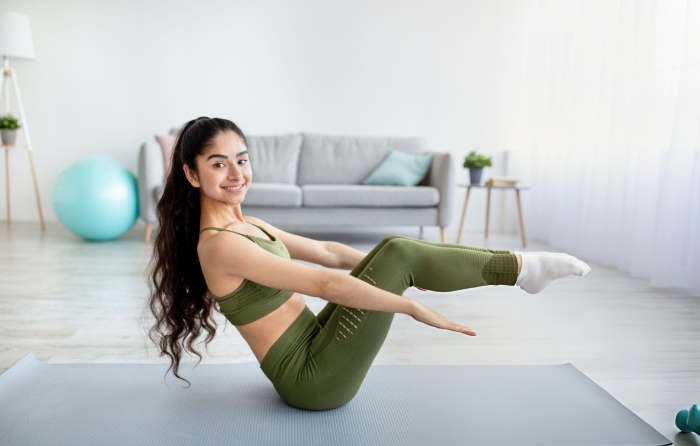
Various types or styles of yoga are offered here. They range from the gentlest practices to the most intense. Among the most common yoga styles, one finds:
- Ashtanga or *Power Yoga*. This type of yoga involves a physically more demanding practice. In these classes, one moves immediately from one posture to the next.
- Bikram or *Hot Yoga*. A sequence of 26 postures is performed in a room heated to a temperature between 35°C and 37.8°C (95°F and 100°F). The goal is to warm up and stretch the muscles, ligaments, and tendons, as well as to purify the body through perspiration.
- Hatha Yoga. This term is sometimes used generically to refer to yoga as a whole. Generally, it encompasses both breathing exercises and physical postures.
- A gentle style of yoga that may include breathing exercises, chanting, and meditation.
- A style that places particular emphasis on precise bodily alignment. Furthermore, postures are held for extended periods.
- This style highlights the importance of breath control while performing postures. Its objective is to release energy from the lower body, allowing it to ascend.
- This style adapts postures to the specific needs and capabilities of each individual, coordinating the breath with body movements.
How to get started
Look for yoga classes at your local gym or at a yoga studio. If you are new to yoga, start with a beginner-level class. Before the class, speak with the instructor and inform them of any injuries or medical conditions you may have.
Inquire about the instructor’s training and experience. Although most teachers have undergone formal training, there are no official certification programs for teaching yoga. Choose an instructor you enjoy working with—someone who doesn’t put so much pressure on you that you feel uncomfortable.
What to Expect
The best yoga sessions last between 45 and 90 minutes. All styles of yoga are based on three fundamental components:
- Focusing on the breath constitutes an important part of yoga. Your instructor may guide you through breathing exercises during the session.
- Yoga postures consist of a series of movements that help improve strength, flexibility, and balance. Their difficulty varies, ranging from simply lying flat on your back on the floor to performing complex balancing poses.
- Yoga classes typically conclude with a brief period of meditation. This serves to calm the mind and promotes relaxation.
This is how you prevent injuries
Although yoga is generally safe, you still run the risk of injury if you adopt incorrect postures or push yourself too hard. Here are a few suggestions to help you practice yoga safely.
- If you have any health concerns, consult your doctor before beginning a yoga practice. Ask them if there are any postures you should avoid.
- Start cautiously and familiarize yourself with the basics before pushing your body too hard.
- Choose a class suited to your level; if in doubt, consult the instructor.
- Do not force your body beyond its natural limits. If you are unable to perform a specific posture, ask the instructor to help you modify it.
- Ask questions whenever you are unsure about how to execute a posture.
- Bring a water bottle and ensure you stay well-hydrated; this is particularly important in heated yoga environments.
- Wear clothing that allows you to move freely and without any restriction.
- Listen to your body: if you experience pain or fatigue, stop and rest.