


Achieving “good hair days” consistently isn’t about luck; it’s about a well-structured hair care routine tailored to your specific needs. In 2026, the focus has shifted from just “fixing” hair to a holistic approach known as “skinification”—treating your scalp and hair with the same care and high-performance ingredients as your face.
A healthy scalp is the foundation of exciting hair. By understanding your hair type, porosity, and specific concerns, you can build a regimen that promotes growth, restores shine, and prevents damage.
1. Understanding Your Hair Porosity: The Critical First Step
Before buying products, you must know your hair’s porosity—its ability to absorb and retain moisture. You can test this at home by dropping a clean hair strand into a glass of water.
- High Porosity: The strand sinks immediately. Your cuticles are raised or damaged, allowing moisture to enter easily but escape just as fast. This hair type needs “heavy” ingredients like butters and oils to seal in hydration.
- Medium Porosity: The strand floats in the middle. This is the “sweet spot” where moisture is balanced, and hair is generally easy to style.
- Low Porosity: The strand floats on top for a long time. Tightly bound cuticles resist moisture and product absorption, leading to buildup. This hair type benefits from warm water to “open” cuticles and lightweight, water-based products.
2. Pre-Wash Prep: Scalp Health and Oiling
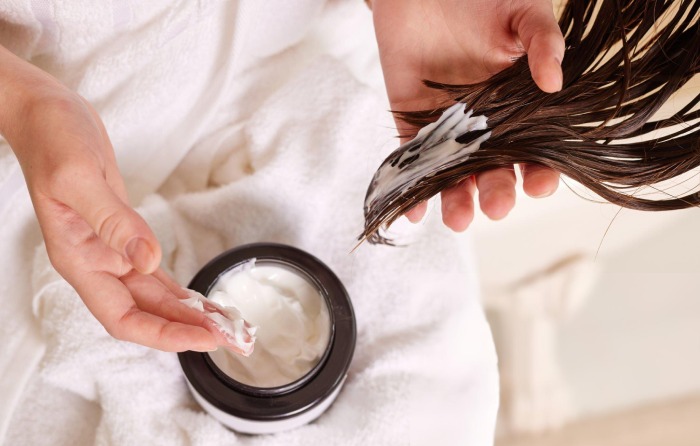
A modern hair care routine starts before you step into the shower.
- Scalp Oiling: Massaging oil into the scalp—a practice often called a “chumpy”—improves blood circulation and nourishes follicles. Trending ingredients like rosemary oilhave been clinically shown to support hair growth similarly to medical treatments.
- Scalp Exfoliation: Just like your face, your scalp needs regular exfoliation to remove product buildup and dead skin cells. Using a dedicated scalp scrub once or twice a week creates a “clean slate” for optimal growth.
3. The Cleansing Phase: Matching Shampoo to Your Scalp
The primary role of shampoo is to clean the scalp, not just the hair lengths.
- Frequency: Most experts recommend washing 2-3 times per week. Oily scalps may require more frequent washes, while dry or curly hair often thrives with just one wash per week.
- Choosing the Right Formula:
- Oily Scalp: Use clarifying or purifying shampoos with ingredients like salicylic acid or apple cider vinegar.
- Dry Scalp: Opt for sulfate-free, moisturizing formulas containing coconut milk, peptides, or shea butter.
- Fine Hair: Use volumizing shampoos that won’t weigh down the roots.
4. The Conditioning Phase: Restoration and Moisture
Conditioner is essential for restoring moisture and preventing breakage.
- Proper Application: Apply conditioner from mid-lengths to ends; avoid the scalp to prevent greasiness.
- Weekly Repair: Incorporate a deep conditioning maskonce a week. For high porosity hair, look for protein-rich masks to fill gaps in the cuticle. Low porosity hair benefits from using heat (like a warm towel) during this step to help the product penetrate.
5. Post-Wash Care: Growth Serums and Protection
What you do after washing determines your hair’s long-term health.
- Growth Serums: Serums containing Redensyl, Anagain , and Biotinare highly effective in 2026 for increasing hair density. Products like the
WishCare Hair Growth Serum
- Leave-In Treatments: Leave-in conditioners or serums act as a daily shield against humidity and environmental stressors.
- Heat Protection: Never use hot tools without a heat protectant. Even with protection, limiting heat styling to 2-3 times a week is recommended to prevent weakening the cuticle.
6. Sustainable Habits for Long-Term Shine
Small, consistent changes can yield major results over 4–8 weeks.
- Water Temperature: Use lukewarm waterfor washing and a cool water rinse at the end to seal the cuticles and add shine.
- Gentle Drying: Swap rough towels for a microfiber towelor a cotton T-shirt to reduce friction and frizz.
- Sleep on Silk: Using a silk or satin pillowcaseprevents moisture loss and reduces tangles overnight.
- Regular Trims: A trim every 8–12 weeksprevents split ends from traveling up the hair shaft.
By staying consistent with these steps, you can transform your hair’s health from the scalp up, ensuring every day is a good hair day in 2026.