

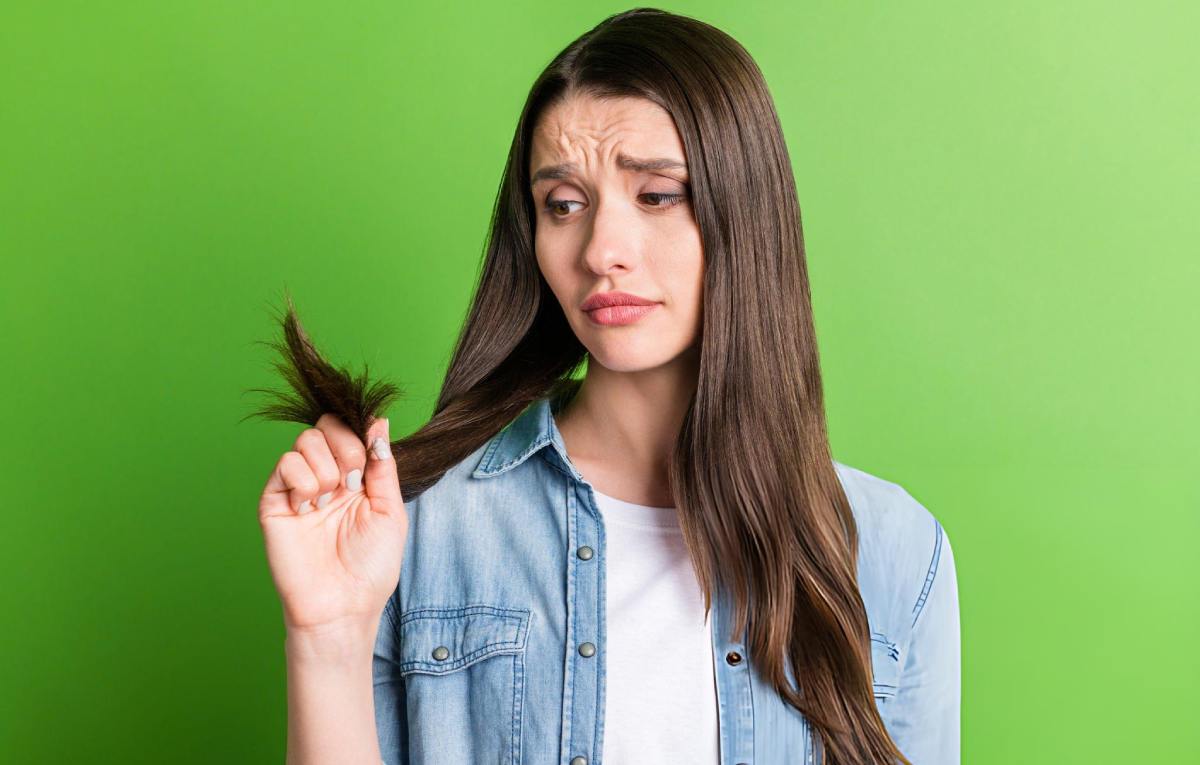
Let me guess: you’ve found way too many broken strands of hair everywhere, haven’t you? They’re in your brush, scattered across the bathroom counter, and—perhaps—even on your favourite shirt. Believe me, I understand perfectly. Hair breakage makes you want to throw in the towel and wonder if you’ll ever achieve that strong, healthy mane you’ve been dreaming of.
Here is what I’ve learned after years of dealing with this very issue myself: you can easily stop hair breakage naturally. You don’t need expensive salon treatments or products packed with unpronounceable chemicals. The secret lies in understanding what your hair needs and giving it some extra TLC using simple, natural methods that actually work.
Are you ready to transform those brittle strands into stronger, healthier hair? Below, we’ll cover everything you need to know about how to treat hair breakage naturally.
Understanding What Causes Hair Breakage
First, let’s talk about why hair breaks. Think of your hair as a delicate piece of fabric: when it becomes weak, it simply cannot withstand the daily stress we subject it to.
The hair fibre becomes damaged and fractures along its length, leading to hair breakage. This is distinct from hair falling out at the root; that constitutes hair loss—a completely different issue.
So, what causes this damage? Well, if you’re like most people, you’ve likely committed a few “sins” against your hair. Heat styling tools are the main culprits here. That flat iron you use every morning? It is literally frying your hair cuticles. Chemical treatments—such as dyes, bleaching, or perms—can leave your strands with a rough, straw-like texture.
However, I was surprised to discover that even seemingly harmless things can cause breakage. Brushing your hair too vigorously, using the wrong brush, or even sleeping on the wrong pillowcase can, over time, create tiny fractures in the hair fibre.
The good news? Once you identify the root cause of the problem, you can start fixing it.
Gentle Hair Care Techniques That Prevent Damage
Let’s dive into the essential details on how to treat your hair like the delicate treasure it is. The most decisive change for me has been completely overhauling my washing routine—and I bet it will make a huge difference for you, too.
Start with the water temperature. I know hot showers feel amazing, but your hair hates them; hot water strips away the natural oils that protect and keep it supple. Switch to lukewarm water—your hair will thank you.
Now, here is where most people go wrong: you don’t need to shampoo your entire head of hair. Focus the shampoo on your scalp, which is where oil and product buildup tend to accumulate. The lather will gently cleanse the rest of your hair as you rinse, without drying it out excessively.
Conditioner is where the magic happens when it comes to preventing breakage. Apply it from mid-lengths to ends; these are the oldest and most fragile parts of your hair. Leave it on for at least three minutes. Seriously—set a timer. This gives the conditioner enough time to penetrate the hair shaft.
When you step out of the shower and are ready to dry off, try to avoid reaching for a towel right away, as they can be very harsh on wet hair. Instead, gently squeeze out the excess water with your hands, then wrap your hair in a microfiber towel or even an old cotton T-shirt. It’s a total game-changer—I promise.
Natural Ingredients That Strengthen Hair
Mother Nature has gifted us with some incredible ingredients that can seriously strengthen your hair; best of all, you likely already have most of them right in your kitchen. These natural ingredients are tried and true—they really work.
Coconut oil is my absolute favourite for naturally preventing hair breakage. Unlike most oils applied to the hair, coconut oil penetrates the hair shaft thanks to its molecular structure. I like to apply it as a pre-wash treatment: I warm it up slightly, massage it into my hair, and let it work its magic for 30 minutes before rinsing it out.
Aloe vera is another powerful ingredient—incredibly gentle, yet highly effective. It contains amino acids and vitamins that nourish the hair follicles. You can use fresh aloe vera gel, extracted directly from the plant, or look for products that contain high concentrations of this ingredient.
Here is where things get interesting: protein-based treatments. Your hair is composed primarily of protein, so replenishing it can temporarily fill in the cracks and fissures that appear when hair is damaged.
Eggs, plain yoghurt, and even mayonnaise (I know—it sounds strange) can work wonders. Just remember that protein treatments are like vitamins: a little goes a long way, and using too much can actually make your hair brittle. Try using honey on your hair; mix it with olive oil to create a deeply nourishing mask that will leave your strands incredibly soft and strong.
Nutrition and Lifestyle Changes for Healthier Hair
One thing I took far too long to realise is this: what you eat directly affects the strength of your hair’s growth. Your hair reflects your overall health; therefore, if you wish to prevent hair breakage naturally, you have to start from the inside out.
Proteins are fundamental, as your hair is composed of keratin, a type of protein. Ensure you consume a sufficient amount through sources such as fish, eggs, beans, and nuts. If you are vegetarian or vegan, don’t worry: quinoa, lentils, and hemp seeds are fantastic plant-based options.
There are specific vitamins that your hair loves. Biotin is probably the most well-known—and for good reason: a deficiency can leave hair weak and prone to breakage. Iron is another excellent nutrient, especially for women; low iron levels can leave your hair feeling weak.
Nor should you underestimate vitamins A, C, and E. Consume plenty of colourful fruits and vegetables; berries, sweet potatoes, spinach, and avocados are fantastic choices. These foods provide the antioxidants your hair needs to stay strong and resilient.
Water intake is also of utmost importance, though most people overlook it entirely. Dehydrated hair is brittle hair. Stress management may seem like an unrelated factor, but chronic stress can alter your hair’s structure, making it more fragile. Whether through yoga, meditation, or simply taking a walk outdoors, find the activity that works best for you and stick with it.
DIY Hair Masks and Treatments
This is where we can have fun experimenting with natural ingredients. Crafting your own hair treatments means knowing exactly what you are applying to your hair; you can also customise everything based on what your hair needs most.
My favourite revitalising mask combines mashed banana with honey and a drizzle of olive oil. Bananas are rich in silica, which helps strengthen the hair, while the honey and oil provide intense hydration. Plus, it smells wonderful—a lovely bonus.
For hair that has undergone excessive chemical processing or feels particularly fragile, try a combination of avocado and yoghurt. The healthy fats in the avocado help restore elasticity to damaged hair. At the same time, the lactic acid in the yoghurt gently removes product buildup that can leave hair looking dull and rough.
Apple cider vinegar rinses are incredibly underrated for preventing hair breakage. Your hair has a natural pH level, and when this is disrupted by product use or hard water, the hair cuticles remain open and rough. A rinse with diluted apple cider vinegar (one part vinegar to three parts water) smooths the hair’s surface, making it less prone to tangling and breakage.
Apply these masks to damp hair, paying special attention to the areas that need the most help—typically from the mid-lengths to the ends. Leave them on for 20 to 30 minutes, then rinse thoroughly with cold water to seal in all the nutrients.
Conclusion
Learning how to stop hair breakage naturally isn’t about finding a magic bullet; it’s about establishing a routine that consistently treats your hair with care. From gentle washing techniques to nourishing natural ingredients, every small change you make will help you achieve stronger, healthier hair.
The key is patience. Natural methods take time to show results, but they are far gentler on your hair than harsh treatments. Stick with these approaches for at least six to eight weeks, and you will begin to notice real improvements in the appearance and texture of your hair. Your future self will undoubtedly thank you for taking the time to properly care for your hair.