

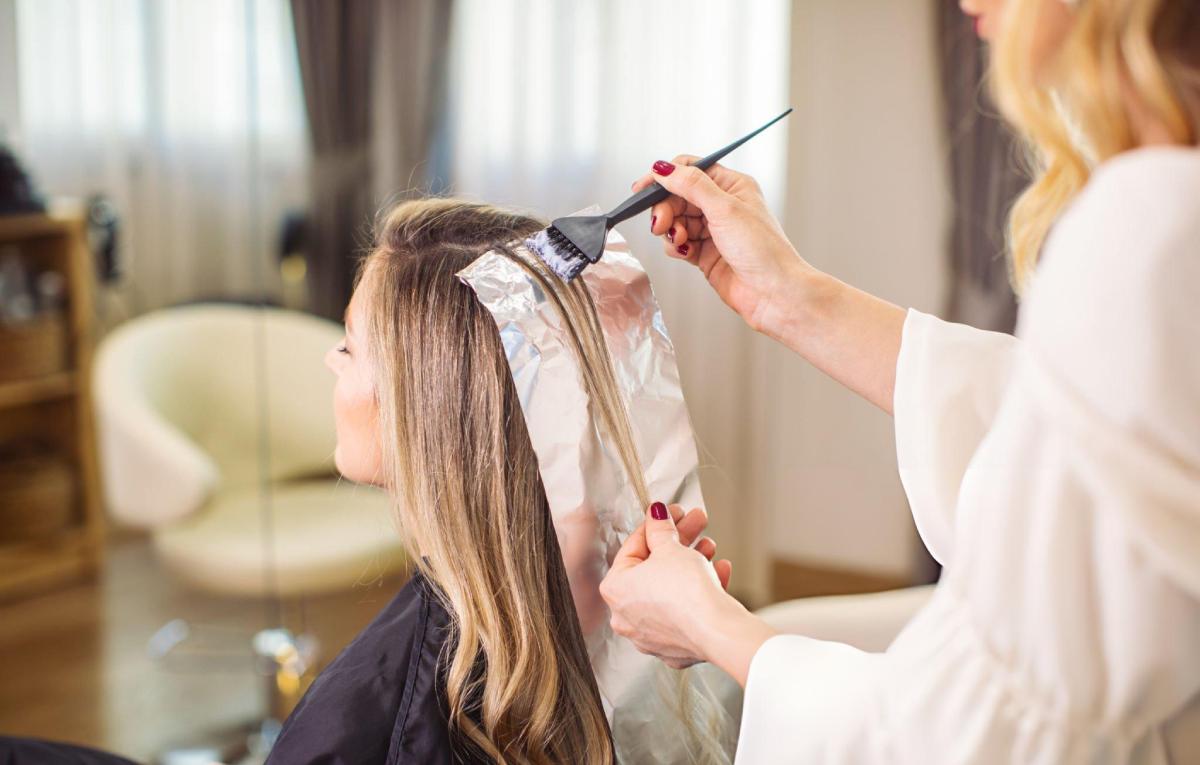
Investing in professional hair color is a commitment of both time and finances. However, the true work begins the moment you leave the salon chair. Color Care is the strategic discipline of maintaining the integrity of the hair fiber while preventing the “leakage” of pigment.
Whether you are a platinum blonde, a vibrant redhead, or a deep brunette, the challenges are universal: UV exposure, hard water minerals, and thermal styling all conspire to strip color and leave the hair porous. This guide explores the molecular science of color retention and how to build a routine that keeps your shade “salon-fresh” for months.
1. The Chemistry of Color: Permanent vs. Semi-Permanent
To care for color, you must understand how it gets into the hair. Hair color operates by manipulating the cuticle—the shingle-like outer layer of the hair shaft.
Permanent Color and the Cortex
Permanent dye uses ammonia or its derivatives to swell the cuticle, allowing small color molecules to enter the cortex (the core of the hair). These molecules then expand, becoming too large to wash out. Color care for permanent shades is about keeping that cuticle “sealed” so the molecules stay trapped inside.
Semi-Permanent and the Surface
Semi-permanent dyes simply “stain” the outside of the cuticle. Because they don’t penetrate the core, they are highly susceptible to fading from simple water exposure. Color care here is about “re-depositing” pigment and avoiding “harsh” surfactants that act like sandpaper on the hair surface.
2. The pH Factor: Why Alkalinity is the Enemy
The most overlooked aspect of color care is the pH balance. Hair and scalp sit naturally at a pH of 4.5 to 5.5 (slightly acidic). Chemical coloring, however, is a highly alkaline process.
Closing the Cuticle
Alkaline environments cause the hair cuticle to “stand up” or open. Acidic environments cause it to “lay flat” or close. If your at-home products are too alkaline (like many drugstore shampoos), your cuticle stays open, and your expensive color literally washes down the drain. Modern color care utilizes “Acidic Bonding” concentrates to snap the cuticle shut, locking in shine and pigment simultaneously.
3. Hydration vs. Protein: Balancing the Structural Gaps
Chemical coloring is an “oxidative” process that breaks the disulfide bonds within the hair. This leaves the hair “porous,” meaning it has tiny holes that leak moisture and color.
The Role of Bond Builders
Color care has been revolutionized by “Bonding” technology (like Olaplex or K18). These products don’t just “coat” the hair; they work at a molecular level to reconnect broken bonds. A successful color care routine must balance Protein (to fill the holes in the cortex) and Moisture (to provide elasticity). Overloading on protein can make color-treated hair brittle, while too much moisture can make it “mushy.”
4. The Environmental Thieves: UV, Water, and Heat
Even the best-formulated color will fade if left unprotected against the “Big Three” environmental stressors.
UV Radiation and Photo-Oxidation
Just as the sun bleaches fabric, it bleaches hair. UV rays create free radicals that break down pigment. Modern color care involves “Hair Sunscreen” or leave-in conditioners containing UV filters.
The Hard Water Problem
Mineral buildup from tap water (calcium, magnesium, and copper) can react with hair dye, causing blondes to turn “brassy” and brunettes to turn “muddy.” Utilizing a chelating shampoo or a shower filter is a critical, often-missed step in high-level color care.
Thermal Protection
High heat from flat irons literally “melts” color molecules. Every time you style without a thermal protectant, you are “venting” your color. Modern protectants create a breathable film that distributes heat evenly, preventing “color hot spots.”
5. Tonal Maintenance: The Rise of Pigmented Care
Color care is no longer passive; it is active. The “Skinification” of hair has brought us “Color Masks” and “Glossing Treatments” that we can use at home.
Neutralizing Brashness
- Purple/Violet:Neutralizes yellow tones in blondes.
- Blue:Neutralizes orange/copper tones in brunettes.
- Green:Neutralizes red tones in dark brown or black hair.
By using these once a week, you “color-correct” your hair in the shower, extending the time between salon visits by weeks.
6. The “Wash Less” Philosophy and Surfactant Science
The number one cause of color fade is water. Every time hair gets wet, the shaft swells and pigment escapes.
Sulfate-Free is the Baseline
Sulfates (like SLS) are aggressive detergents. In color care, they act as “strippers.” Transitioning to “sugar-derived” or “amino-acid” surfactants ensures that you are removing oil from the scalp without snatching pigment from the hair. Additionally, integrating Dry Shampoo into your routine allows you to push washes further, significantly slowing the fading process.
7. A Proactive Routine: The Weekly Color-Care Framework
To reach 1,800-word-level mastery, your routine should be cyclical.
- Post-Salon (48 Hours):Do not wash. Allow the color molecules to “settle” and the cuticle to naturally contract.
- Weekly (The Bond Build):Use a molecular repair mask to address the structural damage from the chemical process.
- Monthly (The Detox):Use a gentle chelating wash to remove mineral buildup that makes color look dull.
- Daily (The Shield):Always use a UV and thermal protectant, even if you aren’t “styling” with heat.
Conclusion
Color Care is a game of “sealing and shielding.” By respecting the pH of your hair, utilizing bond-building technology, and protecting against environmental oxidizers, you can keep your color vibrant and your hair fibers resilient. Great color is made in the salon, but it is maintained in the shower.