

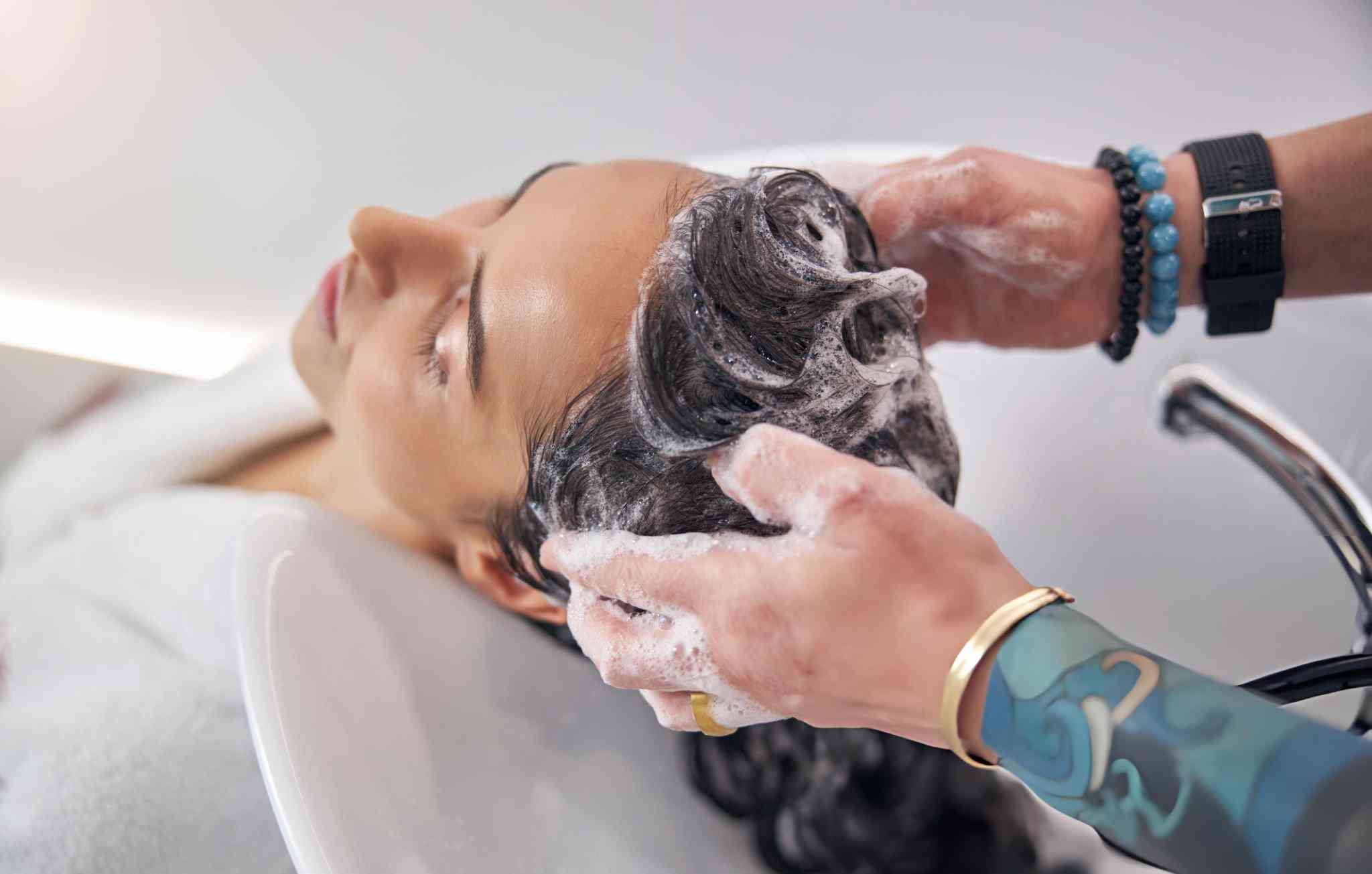
In the modern beauty landscape, the mantra is simple: Healthy hair starts at the root. Scalp care has emerged from the shadows of “dandruff treatments” to become a central pillar of the “Cleanical” beauty movement. Because the scalp has a higher density of hair follicles, more sebaceous glands, and a specific microbiome, it requires a precision-led approach that differs from both facial skincare and traditional hair conditioning.
To master scalp care, we must treat the scalp with the same rigor we apply to our complexions—focusing on exfoliation, hydration, and microbiome balance.
1. The Anatomy of the Scalp: Understanding the “Soil”
The scalp is one of the thickest areas of skin on the human body. It is composed of five layers, but for the purpose of scalp care, we focus on the Epidermis and the Dermis, where the hair follicles reside.
The Sebaceous Gland Density
The scalp contains more sebaceous (oil) glands per square centimeter than almost any other part of the body. These glands produce sebum, which is essential for lubricating the hair shaft. However, when sebum is overproduced, it can mix with dead skin cells and environmental pollutants to create a “plug” around the follicle, leading to inflammation and potentially thinning hair.
The Micro-Environment
Because the scalp is often covered by hair, it creates a warm, dark, and humid micro-environment. This makes it a breeding ground for the Malassezia fungus. While this fungus is a normal part of the scalp’s flora, an overgrowth can lead to the inflammation we recognize as dandruff or seborrheic dermatitis.
2. The Scalp Microbiome: The Secret to Long-Term Health
Just as your gut and face have a microbiome, your scalp is home to a complex ecosystem of bacteria and fungi. A balanced scalp microbiome acts as a biological shield, preventing pathogens from taking root.
The pH Balance
The natural pH of the scalp is slightly acidic, around 5.5. Most traditional shampoos are alkaline, which can disrupt this pH, leading to a “leaky” scalp barrier. Modern scalp care focuses on pH-balanced formulas that preserve the “Acid Mantle,” ensuring that the scalp remains an inhospitable environment for harmful bacteria while supporting beneficial microbes.
Probiotics for the Roots
We are seeing a surge in “biotic” scalp treatments. Prebiotics (to feed good bacteria) and postbiotics (to soothe inflammation) are now being included in scalp serums to treat everything from chronic itchiness to slow hair growth.
3. Scalp Exfoliation: Chemical vs. Physical Methods
If you exfoliate your face to prevent clogged pores, you should be doing the same for your scalp. Scalp exfoliation removes the “biofilm” of dry shampoo, styling products, and hard water minerals that regular shampoo often leaves behind.
Physical Exfoliation (Scalp Scrubs)
Scalp scrubs use granules like sea salt, sugar, or charcoal to manually lift debris. These are excellent for those with heavy product buildup or very oily scalps. However, they must be used gently to avoid “micro-tears” in the scalp skin.
Chemical Exfoliation (Scalp Peels)
The “Skinification” of hair has brought AHAs and BHAs to the shower.
- Salicylic Acid (BHA):The gold standard for scalps. It is oil-soluble, meaning it can penetrate the follicle to dissolve sebum plugs.
- Glycolic Acid (AHA):Works on the surface to dissolve the “glue” holding dead skin cells together, making it perfect for those with dry, flaky scalps.
4. Addressing Common Scalp Concerns: Dandruff vs. Dry Scalp
One of the biggest hurdles in scalp care is misdiagnosis. Treating a “dry scalp” with “anti-dandruff” chemicals can often make the problem worse.
The Dandruff (Oily) Profile
True dandruff is usually oily. It consists of large, yellowish flakes accompanied by an itchy, red scalp. This is an inflammatory response to the Malassezia fungus feeding on excess oil. The treatment requires antifungal ingredients like Ketoconazole, Zinc Pyrithione, or Piroctone Olamine.
The Dry Scalp Profile
A dry scalp consists of small, white, “dusty” flakes. This is a moisture barrier issue, often caused by cold weather, harsh sulfates, or hot water. The treatment requires humectants (Hyaluronic Acid) and emollients (Squalane or Jojoba oil) to “re-seal” the scalp’s skin.
5. The Link Between Scalp Health and Hair Growth
You cannot grow strong hair from an inflamed scalp. Chronic scalp inflammation leads to Oxidative Stress, which can damage the hair bulb and shorten the Anagen (growth) phase of the hair cycle.
Invigorating the Blood Flow
Modern scalp care utilizes “Vasodilators” like Peppermint Oil and Rosemary Oil. These ingredients increase blood circulation to the dermis, ensuring that the hair follicles receive the oxygen and nutrients they need to produce thick, healthy hair.
The Role of Scalp Massage
Beyond the use of products, the mechanical action of scalp massage is clinically proven to increase hair thickness over time. By stretching the human dermal papilla cells, massage signals the follicles to produce thicker hair shafts. Using a silicone scalp brush during your wash routine is an easy way to incorporate this into your “Skin Type-specific” care.
6. Ingredient Toxicology in Scalp Care
Since the scalp is highly vascularized, it is more absorbent than the skin on your arms or legs. This makes “Clean Beauty” standards particularly important in this category.
Avoid the “Silicon Loop”
Many traditional conditioners use heavy silicones (like Dimethicone) to add shine. While great for the hair ends, these can build up on the scalp, creating a “suffocating” layer that traps bacteria and sebum. Modern scalp-safe conditioners are “non-comedogenic,” ensuring they won’t clog the follicles.
Sulfates and Sensitization
Sodium Lauryl Sulfate (SLS) is a powerful detergent that creates a satisfying lather but can be “sensitizing” over time. Transitioning to sulfate-free, “sugar-based” surfactants helps maintain the scalp’s natural lipid levels, preventing the “itchy-dry” cycle.
7. The “Scalp-First” Routine: A 3-Step Framework
To reach the peak of scalp health, we recommend a weekly “Scalp Facial.”
- The Detox (Pre-Wash):Apply a Salicylic Acid or oil-based treatment to the dry scalp to loosen sebum and product buildup.
- The Cleanse (The Wash):Use a pH-balanced, sulfate-free shampoo, focusing only on the skin, using a scalp massager to stimulate blood flow.
- The Rebalance (Post-Wash):Apply a lightweight, leave-in scalp serum containing peptides or hyaluronic acid to hydrate the skin without weighing down the roots.
Conclusion
Scalp care is the bridge between dermatology and hair artistry. By shifting your focus from the “fiber” to the “follicle,” you can solve most hair concerns—from thinning and oiliness to dullness and breakage—at the source. A healthy scalp is a balanced ecosystem; treat it with the same kindness and science you give your face, and your hair will reflect the results.