

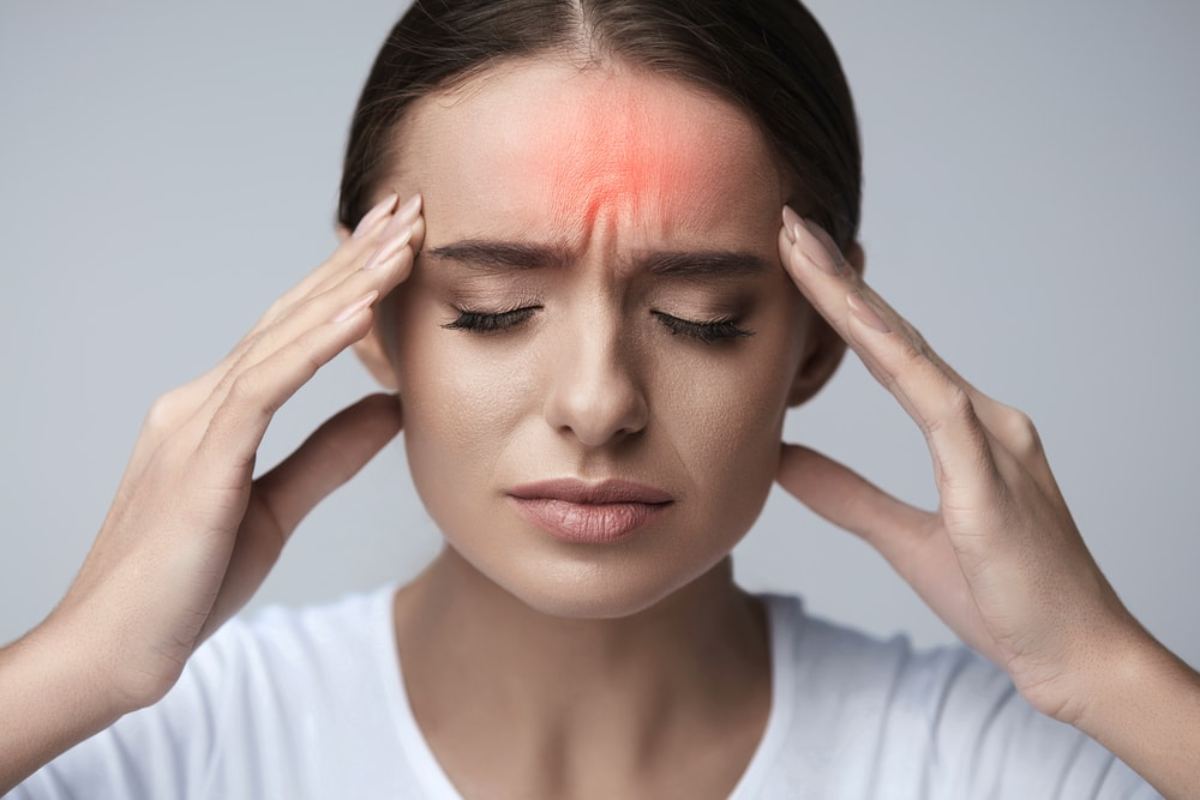
Migraines: A migraine is a far more serious condition than merely a severe headache. This neurological disorder causes throbbing pain and extreme debilitation, potentially confining patients to their beds for days on end. Physical activity, light, noise, and other triggers can precipitate a host of symptoms, including pain, fatigue, nausea, visual disturbances, numbness and tingling, heightened sensitivity, speech difficulties, and temporary vision loss.
What does a Migraine Feel Like?
Migraine is a relatively common neurological disorder characterized by a variety of symptoms—most notably, a throbbing pain that typically affects one side of the head.
Migraines are often exacerbated by physical activity, light, sound, or smells, and can last anywhere from a minimum of four hours to as long as several days.
Approximately 12% of Americans suffer from this condition, which is linked to genetic factors; furthermore, research indicates that migraines rank as the sixth leading cause of disability worldwide.
What are the Varieties of Headaches? What Type of Headache is a Migraine?
There are over 150 types of headaches, which are classified into two categories: primary headaches and secondary headaches. Migraines are a type of primary headache, meaning that they do not occur as a result of another specific medical condition.
Primary headaches are confirmed through clinical diagnosis, implying that there are no blood tests or imaging scans available to diagnose them. Conversely, secondary headaches manifest as symptoms of other underlying medical conditions.
What are the Kinds of Migraines?
There are various types of migraines, and even the same type may sometimes be referred to by different names.
- Migraine with Aura (Classic Migraine): Approximately 15–20% of migraine sufferers experience an “aura” before the onset of the headache.
- Migraine without Aura (Common Migraine): This type of migraine typically occurs without the advance warning signals provided by an aura. While the headache symptoms themselves are identical, the distinguishing feature is the absence of the aura phase.
- Migraine without Headache: Also known as a “silent migraine” or “acephalgic migraine,” this type involves the presence of aura symptoms but is not followed by the typical headache that usually ensues.
- Hemiplegic Migraine: This type is characterized by temporary paralysis (hemiplegia) on one side of the body, or by the experience of other neurological and physical impairments. As the headache begins, symptoms such as temporary numbness on one side of the body, extreme weakness, tingling sensations, impaired physical coordination, dizziness, or visual disturbances may occur. In some cases, a headache may develop, while in others, it does not.
What are the 4 Stages or Phases of a Migraine? What’s the Timeline?
These four stages occur in chronological order: the prodrome (warning symptoms), the aura, the headache phase, and the postdrome (aftereffects). Approximately 30% of all patients experience specific warning signs before the onset of the headache.
Each stage is described below:
- Prodrome: This initial stage may last for a few hours or, in some cases, persist for an entire day. Since it does not occur during every attack, you may or may not experience this stage. Some refer to this as the “pre-headache phase” or the “warning phase.”
- Aura: The aura phase can last anywhere from as little as 5 minutes to as long as 60 minutes. Most patients do not experience an aura; however, some patients may experience both the aura and the headache simultaneously.
- Headache: The duration of the headache typically ranges from about 4 hours to 72 hours. The word “pain” alone is often insufficient to fully convey the intensity of the associated discomfort. While the pain is occasionally mild, it is usually accompanied by severe, excruciating pain. Generally, the headache begins on one side of the head and gradually spreads to the other side.
- Postdrome: The postdrome phase lasts for one to two days. It is often likened to a “migraine hangover,” and 80% of patients who suffer from migraines experience this stage.