

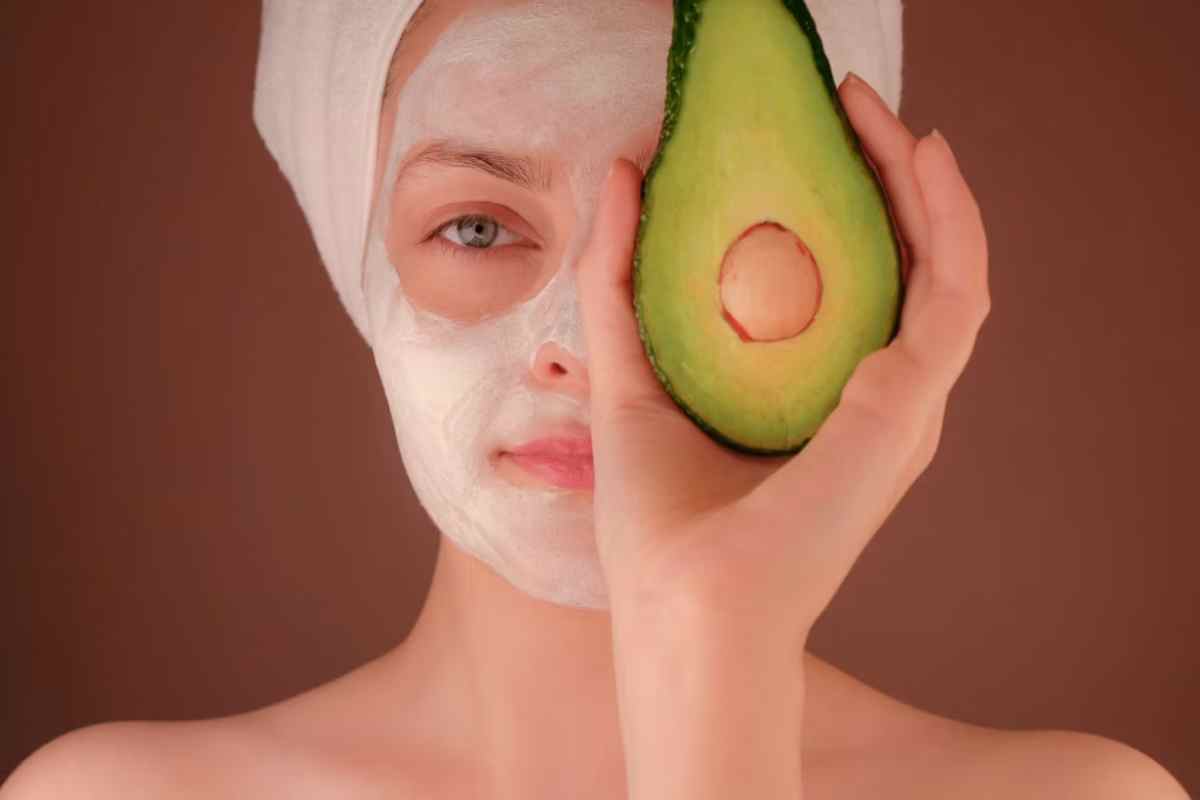
Healthy skin is often viewed as a reflection of overall well-being. While many people invest in expensive beauty products and cosmetic treatments, true skin health goes far beyond what is applied to the surface. Skin is the body’s largest organ and serves as a protective barrier against environmental pollutants, harmful microorganisms, and external stressors. Maintaining healthy skin requires a combination of proper skincare habits, balanced nutrition, hydration, and healthy lifestyle choices.
In today’s world, exposure to pollution, stress, poor dietary habits, and excessive screen time can negatively affect skin health. Common concerns such as dryness, acne, uneven skin tone, premature aging, and sensitivity have become increasingly common. Fortunately, adopting a consistent skincare routine and making positive lifestyle adjustments can significantly improve skin appearance and overall health.
Healthy skin care is not about achieving perfection. Instead, it focuses on supporting the skin’s natural functions and maintaining its strength, hydration, and resilience. This guide explores everything you need to know to achieve naturally radiant, healthy skin.
Understanding Your Skin and Its Needs
Every person’s skin is unique. Understanding your skin type is one of the first steps toward building an effective skincare routine. Skin generally falls into several categories, including normal, oily, dry, combination, and sensitive.
Normal skin typically maintains a balanced level of moisture and oil production. Oily skin produces excess sebum, which may contribute to shine and breakouts. Dry skin often lacks moisture and may feel tight or flaky. Combination skin features both oily and dry areas, while sensitive skin can react more easily to products and environmental factors.
Understanding your skin’s specific needs allows you to choose products and routines that support rather than disrupt its natural balance. When skincare is tailored appropriately, it becomes easier to maintain a healthy complexion and prevent common skin concerns.
Why Healthy Skin Care Matters
Healthy skin serves multiple important functions within the body. It protects against environmental damage, regulates temperature, and helps prevent moisture loss. When skin is properly cared for, it performs these functions more effectively while maintaining a youthful and vibrant appearance.
Consistent skincare can help reduce the appearance of blemishes, improve texture, and support even skin tone. It may also slow visible signs of aging by protecting collagen and maintaining hydration.
Beyond physical appearance, healthy skin often contributes to confidence and emotional well-being. Many people feel more comfortable and self-assured when their skin looks and feels its best.
Investing in skin health today can help prevent more significant concerns in the future while supporting overall wellness.
The Essential Daily Skin Care Routine
A daily skincare routine provides the foundation for healthy skin. While routines can vary depending on skin type and individual concerns, most effective routines include cleansing, moisturizing, and sun protection.
Consistency is often more important than complexity. Many people assume that numerous products are necessary to achieve results, but a simple routine followed consistently can be highly effective.
Morning skincare focuses on protection, while evening skincare emphasizes cleansing and repair. By establishing regular habits, individuals can support the skin’s natural renewal process and maintain long-term skin health.
Cleansing for Healthy Skin
Cleansing is one of the most important steps in any skincare routine. Throughout the day, skin accumulates dirt, oil, sweat, makeup, and environmental pollutants that can clog pores and contribute to skin concerns.
Using a gentle cleanser helps remove these impurities while preserving the skin’s natural protective barrier. Harsh cleansing products may strip away essential moisture, leading to dryness and irritation.
The ideal cleansing frequency depends on individual skin type and lifestyle. Most people benefit from cleansing twice daily, once in the morning and once before bed.
Clean skin allows other skincare products to perform more effectively and helps maintain a fresh, healthy complexion.
The Importance of Moisturizing
Moisturizing plays a crucial role in maintaining healthy skin regardless of skin type. Many people mistakenly believe that oily skin does not require moisturizer, but all skin types benefit from adequate hydration.
Moisturizers help strengthen the skin barrier, reduce moisture loss, and improve overall comfort. Well-hydrated skin often appears smoother, softer, and more radiant.
Choosing the right moisturizer depends on individual skin needs. Lightweight formulations may work well for oily skin, while richer creams often benefit dry skin.
Consistent moisturizing supports skin resilience and helps protect against environmental stressors.
Sun Protection and Skin Health
One of the most effective ways to maintain healthy skin is to protect it from sun damage. Ultraviolet radiation contributes significantly to premature aging, dark spots, and various skin concerns.
Daily sunscreen use helps shield the skin from harmful UV rays and supports long-term skin health. Even on cloudy days, ultraviolet exposure can affect the skin.
Sun protection should become a daily habit rather than an occasional practice. In addition to sunscreen, protective clothing, hats, and seeking shade can further reduce sun-related skin damage.
Preventing damage is often easier and more effective than attempting to reverse it later.
Nutrition for Naturally Healthy Skin
The relationship between nutrition and skin health is undeniable. The foods consumed daily provide the nutrients necessary for skin repair, hydration, and protection.
Fruits and vegetables contain antioxidants that help combat oxidative stress caused by environmental factors. Vitamins such as A, C, and E support collagen production and skin renewal processes.
Healthy fats found in foods such as nuts, seeds, avocados, and fish contribute to skin hydration and elasticity. Protein supports tissue repair and helps maintain healthy skin structure.
A balanced diet rich in nutrient-dense foods provides a strong foundation for naturally radiant skin.
Hydration and Its Impact on Skin
Hydration is essential for maintaining healthy skin function. Water supports circulation, nutrient delivery, and cellular processes that contribute to skin health.
When the body is adequately hydrated, skin often appears more supple, smooth, and refreshed. Dehydration may contribute to dryness, dullness, and increased visibility of fine lines.
While drinking water alone may not solve all skin concerns, it plays an important role in overall skin wellness. Combining hydration with a healthy diet and a proper skincare routine can produce noticeable improvements over time.
Lifestyle Habits That Improve Skin Health
Daily habits significantly influence skin appearance and function. Sleep, stress management, and physical activity all contribute to skin health.
Quality sleep supports cellular repair and regeneration. During rest, the body works to restore damaged tissues and maintain healthy skin function. Insufficient sleep can contribute to dullness, puffiness, and visible signs of fatigue.
Stress can also affect skin health by influencing hormone levels and inflammatory responses. Chronic stress may contribute to breakouts and sensitivity in some individuals.
Regular physical activity promotes healthy circulation, which helps deliver oxygen and nutrients to skin cells while supporting overall wellness.
Common Skin Care Mistakes to Avoid
Many people unknowingly damage their skin through improper skincare practices. Over-cleansing, excessive exfoliation, and using too many active ingredients can compromise the skin barrier.
Skipping sunscreen is another common mistake that may accelerate visible aging and increase the risk of skin damage. Inconsistent skincare routines can also limit results.
Using products that are not suitable for a particular skin type may lead to irritation or imbalance. Patience is equally important, as improvements in skin health often require consistent effort over time.
Avoiding these common mistakes helps create a more effective and sustainable skincare routine.
Natural Beauty Practices for Healthy Skin
Natural beauty practices can complement traditional skincare routines and support overall skin health. Gentle facial massage may improve circulation and relaxation, while proper hydration and balanced nutrition contribute to skin vitality.
Many individuals also enjoy incorporating natural ingredients such as aloe vera, honey, and oatmeal into their skincare routines. These ingredients may provide soothing and moisturizing benefits when used appropriately.
Natural beauty focuses on supporting the skin’s natural processes rather than relying solely on cosmetic enhancements. This approach often encourages healthier habits and long-term skin wellness.
Healthy Skin Care for Different Skin Types
No single skincare routine works for everyone. Individuals with oily skin may prioritize oil control and lightweight hydration, while those with dry skin often benefit from richer moisturizers and barrier-supporting ingredients.
Sensitive skin requires extra attention when selecting products to minimize irritation. Combination skin may require balancing different areas of the face according to specific needs.
Understanding skin type helps guide product selection and ensures that skincare routines remain effective and comfortable.
Future Trends in Skin Care
The skincare industry continues to evolve as new technologies and research emerge. Personalized skincare solutions are becoming increasingly popular, allowing individuals to choose products tailored to their unique needs.
Artificial intelligence and digital skin analysis tools are helping consumers better understand their skin conditions and treatment options. Sustainable and environmentally conscious beauty products are also gaining popularity as consumers seek healthier choices for themselves and the planet.
While trends may change, the core principles of healthy skin care remain rooted in consistency, protection, hydration, and overall wellness.
Conclusion
Healthy skin care is a combination of daily habits, proper nutrition, hydration, and consistent skincare practices. While achieving healthy skin requires patience and dedication, the long-term benefits are well worth the effort.
By understanding your skin’s needs, following a balanced skincare routine, protecting it from environmental damage, and supporting overall wellness, you can lay the foundation for naturally radiant skin. Rather than chasing quick fixes, focus on sustainable practices that nurture and strengthen the skin over time.
Healthy skin is not simply about appearance—it is an important part of overall health and well-being. With the right approach, anyone can work toward achieving stronger, healthier, and more confident skin naturally.
Frequently Asked Questions About Healthy Skin Care
What is the most important step in a skincare routine?
Daily sun protection is often considered one of the most important steps because it helps prevent premature aging and skin damage.
How often should I moisturize my skin?
Most people benefit from moisturizing at least twice daily, especially after cleansing.
Can diet affect skin health?
Yes. A balanced diet rich in vitamins, antioxidants, healthy fats, and protein can support healthier skin.
How long does it take to improve skin health?
Results vary, but many people begin noticing improvements within several weeks of maintaining consistent skincare and healthy lifestyle habits.