

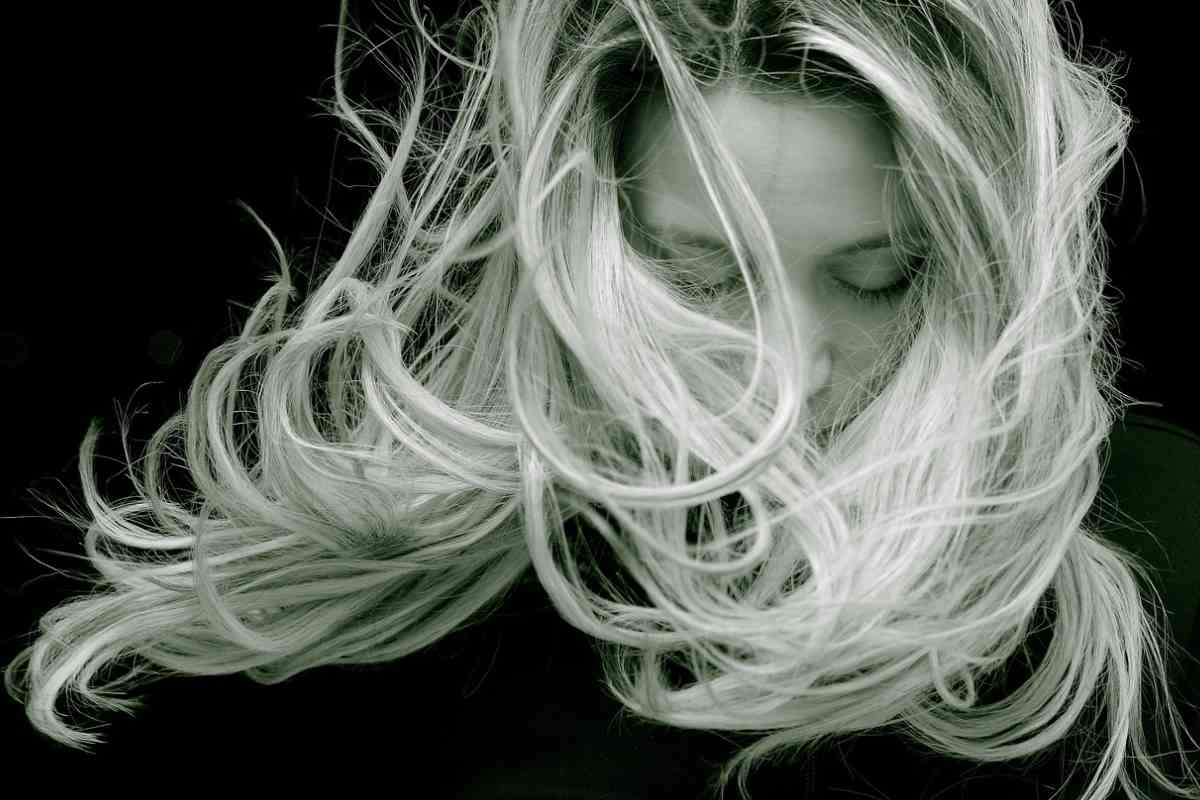
Healthy hair is often considered one of the most noticeable signs of beauty, confidence, and overall well-being. Whether your hair is long or short, straight or curly, maintaining its health requires more than simply washing it with shampoo a few times a week. Modern lifestyles expose hair to numerous challenges, including pollution, heat styling tools, chemical treatments, stress, poor nutrition, and environmental damage. Over time, these factors can contribute to dryness, breakage, thinning, excessive hair fall, and loss of natural shine.
Many people spend significant amounts of money on hair products, hoping to achieve stronger and healthier hair. However, the foundation of good hair health lies in understanding your hair’s unique needs and following a consistent hair care routine. Just as healthy skin requires daily care and protection, hair also benefits from proper cleansing, conditioning, nourishment, and maintenance.
The good news is that achieving healthier hair does not always require expensive salon treatments or complicated routines. Small daily habits combined with the right products and lifestyle choices can dramatically improve the appearance and strength of your hair over time. Whether your goal is reducing hair fall, encouraging hair growth, improving shine, or repairing damage, a well-structured hair care routine can help you achieve long-term results.
In this comprehensive guide, you will learn everything you need to know about hair care, including understanding your hair type, building an effective routine, preventing common problems, supporting hair growth, and maintaining beautiful hair year-round.
Understanding Hair Structure and Why Hair Health Matters
Before creating an effective hair care routine, it is important to understand how hair works. Many people focus entirely on the visible strands while overlooking the biological processes that influence hair growth and health.
Each strand of hair grows from a follicle located beneath the skin’s surface. These follicles receive nutrients and oxygen through blood circulation, which is why overall health often affects hair quality. When the body lacks essential nutrients or experiences significant stress, hair growth can slow, and hair loss may become more noticeable.
Hair itself is primarily composed of a protein called keratin. This protein provides strength and structure while helping hair withstand daily styling and environmental exposure. Although hair appears strong, it can become damaged over time through excessive heat, harsh chemical treatments, aggressive brushing, and prolonged sun exposure.
Healthy hair typically appears smooth, shiny, and resilient. Damaged hair often becomes dry, brittle, rough, and more prone to breakage. Understanding these differences allows individuals to make better decisions about the products and treatments they use.
One of the most important things to remember is that hair health starts at the scalp. A healthy scalp creates an environment where hair can grow properly and remain strong throughout its growth cycle. Neglecting scalp care can lead to issues such as dandruff, irritation, excessive oil production, and weakened hair growth.
Identifying Your Hair Type
One of the biggest mistakes people make is using hair care products that are not suited to their hair type. Hair is not the same for everyone, and understanding your specific characteristics can significantly improve the effectiveness of your routine.
Straight hair tends to distribute natural oils more evenly from the scalp to the ends. While this can create a healthy shine, it may also cause hair to appear oily more quickly. Individuals with straight hair often benefit from lightweight products that cleanse effectively without weighing the hair down.
Wavy hair sits somewhere between straight and curly textures. It typically has natural volume and movement but may become frizzy in humid conditions. Maintaining moisture balance is particularly important for this hair type because excessive dryness can increase frizz while heavy products may reduce natural definition.
Curly hair requires a different approach because natural oils have a more difficult time traveling along the curved hair shaft. As a result, curly hair often experiences dryness and requires additional hydration. Proper moisturizing techniques can help maintain softness, reduce breakage, and enhance curl definition.
Coily or tightly textured hair is particularly delicate despite its strong appearance. This hair type often benefits from intensive moisture, protective styling, and gentle handling to prevent damage and maintain overall health.
Beyond texture, hair can also be categorized according to thickness and density. Fine hair may become weighed down by heavy products, while thick hair often requires richer formulas to maintain moisture and manageability. Understanding these characteristics makes it easier to choose products that support your hair’s specific needs.
The Perfect Daily Hair Care Routine for Healthy and Strong Hair
Creating a proper daily hair care routine is one of the most effective ways to improve hair health over time. Many people believe that healthy hair results from expensive products or salon treatments, but in reality, consistency plays a far greater role than occasional treatments. Just as healthy skin benefits from regular care, hair thrives when it receives consistent attention and protection.
A daily hair care routine begins with understanding what your hair needs regularly. Hair is exposed to numerous stressors throughout the day, including pollution, sunlight, humidity, dust, heat styling tools, and physical friction from clothing and pillowcases. These factors gradually affect the hair’s appearance and structure, making daily care essential for maintaining strength and shine.
One of the most important habits is handling hair gently. Many individuals unintentionally damage their hair through aggressive brushing, rough towel drying, or tight hairstyles. Wet hair is particularly vulnerable because the hair shaft becomes more elastic and prone to breakage. Instead of rubbing hair vigorously with a towel after washing, gently pressing out excess water helps minimize unnecessary stress.
Daily moisturizing can also benefit certain hair types, particularly curly, coily, or dry hair textures. Lightweight leave-in conditioners and hydrating products help maintain moisture balance while reducing frizz and improving manageability. Hair that remains properly hydrated often appears shinier, softer, and healthier.
Protection from environmental damage is another critical aspect of daily care. Exposure to ultraviolet radiation, pollution, and extreme weather conditions can weaken hair over time. Wearing hats during prolonged sun exposure or using protective styling techniques can help preserve hair quality and reduce damage.
Consistency is often more important than complexity. A simple routine, followed consistently, usually produces better results than a complicated routine, followed inconsistently. Over time, these small daily habits contribute significantly to stronger, healthier, and more resilient hair.
The Importance of Proper Hair Washing
Hair washing seems simple, yet it is one of the most misunderstood aspects of hair care. Many people either wash their hair too frequently or not often enough, creating problems that affect scalp health and hair quality.
The purpose of shampoo is to cleanse the scalp and remove excess oil, dirt, product buildup, and environmental impurities. However, shampooing too frequently can strip the scalp of natural oils that help protect and nourish the hair. This may lead to dryness, irritation, and increased breakage.
On the other hand, insufficient cleansing can allow oil, dead skin cells, and product residue to accumulate on the scalp. Over time, this buildup may affect scalp health and create an environment less conducive to healthy hair growth.
The ideal washing frequency depends largely on individual hair type, lifestyle, and scalp condition. People with oily scalps may prefer more frequent washing, while those with dry or curly hair often benefit from washing less frequently to preserve moisture.
Water temperature also matters more than many people realize. Extremely hot water can remove natural oils and contribute to dryness. Lukewarm water is generally considered more suitable because it cleanses effectively without causing excessive moisture loss.
Equally important is focusing shampoo primarily on the scalp rather than the entire length of the hair. The scalp is where oil and buildup accumulate most heavily. As shampoo is rinsed away, it naturally cleanses the hair strands without requiring aggressive scrubbing.
Developing proper washing habits helps maintain scalp balance and supports healthier hair over the long term.
Why Conditioner Is Essential for Hair Health
Conditioner is often underestimated, yet it plays a vital role in maintaining healthy hair. While shampoo focuses on cleansing, conditioner helps restore moisture, improve manageability, and protect the hair shaft from damage.
Each time hair is washed, the hair shaft’s outer protective layer can become slightly raised. Conditioner helps smooth this layer, reducing friction and creating a softer appearance. This smoothing effect also contributes to increased shine because smooth surfaces reflect light more effectively.
Conditioners are particularly important for individuals with long, dry, curly, or chemically treated hair. These hair types often struggle to retain moisture and are more susceptible to breakage. By replenishing hydration, conditioner helps improve flexibility and resilience.
Applying conditioner correctly is just as important as choosing the right product. In most cases, conditioner should be concentrated on the mid-lengths and ends of the hair rather than directly on the scalp. These areas are typically older and more prone to dryness and damage.
Allowing conditioner to remain on the hair for several minutes before rinsing gives the ingredients time to work effectively. Rushing through this step may limit the benefits of conditioning.
Regular use of conditioner can significantly improve softness, reduce tangling, and support overall hair health. Over time, properly conditioned hair often appears smoother, shinier, and easier to manage.
Common Hair Washing Mistakes That Cause Damage
Many people unknowingly damage their hair through everyday habits. These mistakes often seem harmless but can contribute to long-term problems such as dryness, breakage, and increased hair fall.
One of the most common mistakes is using too much shampoo. More product does not necessarily result in cleaner hair. In fact, overuse can strip natural oils and disrupt scalp balance. A moderate amount is usually sufficient when distributed properly.
Another frequent error is aggressively scrubbing the scalp with fingernails. While it may feel satisfying, harsh scrubbing can irritate the scalp and potentially weaken hair follicles over time. Gentle massage using fingertips is a more effective and safer approach.
Skipping conditioner is another mistake that affects many people, particularly those with fine hair who worry about losing volume. However, properly selected conditioners support moisture balance without necessarily weighing hair down.
Many individuals also brush their hair immediately after washing while it is still soaking wet. Because wet hair is more fragile, aggressive brushing increases the risk of breakage. Using a wide-tooth comb and working slowly from the ends upward helps minimize damage.
Heat styling immediately after washing without protective products is another major source of hair damage. High temperatures can weaken the hair shaft and contribute to dryness, split ends, and loss of shine.
Recognizing and correcting these habits can significantly improve hair health over time.
Scalp Health: The Foundation of Beautiful Hair
Healthy hair begins with a healthy scalp. While many people focus exclusively on the visible hair strands, the scalp plays a central role in determining how hair grows and how healthy it appears.
The scalp contains thousands of hair follicles, oil glands, and blood vessels that work together to support hair growth. When the scalp is healthy, follicles receive the nutrients and oxygen necessary for producing strong hair strands.
Scalp problems such as excessive oil production, dryness, irritation, dandruff, and inflammation can interfere with this process. In some cases, poor scalp health may contribute to increased shedding or slower hair growth.
Maintaining scalp health requires regular cleansing, proper hydration, and protection from irritation. Gentle scalp massage may also help improve circulation, supporting the delivery of nutrients to hair follicles.
Paying attention to signs of scalp imbalance is important. Persistent itching, excessive flaking, unusual sensitivity, or significant changes in oil production may indicate a need to adjust the hair care routine.
A healthy scalp creates the ideal environment for strong and beautiful hair, making scalp care one of the most valuable investments in any hair care routine.
Understanding Hair Growth and Why Patience Matters
Hair growth is a gradual process that requires patience and realistic expectations. Many people seek immediate solutions for longer or thicker hair, but healthy growth occurs over months rather than days or weeks.
Each hair strand follows a natural growth cycle consisting of growth, transition, and resting phases. At any given time, different hairs are at different stages of this cycle, which is why some daily shedding is completely normal.
Numerous factors influence hair growth, including genetics, nutrition, stress levels, hormonal balance, overall health, and daily hair care habits. While genetics largely determines growth potential, lifestyle choices significantly affect how well hair reaches that potential.
One of the biggest misconceptions is that hair products alone can dramatically accelerate growth. While certain products may support scalp health and reduce breakage, healthy growth ultimately depends on a combination of internal and external factors.
Individuals who focus on maintaining scalp health, consuming a balanced diet, minimizing damage, and following consistent hair care practices often see the best long-term results. The key is to view hair care as an ongoing process rather than to search for quick fixes.
Healthy hair growth requires time, but patience and consistency often produce meaningful improvements that become increasingly noticeable over the months and years.
Essential Nutrients That Support Healthy Hair Growth
While shampoos, conditioners, and hair treatments play an important role in maintaining hair health, your hair’s condition is also heavily influenced by what happens inside your body. Hair follicles require a steady supply of nutrients to produce strong and healthy strands. When the body lacks essential vitamins, minerals, or protein, hair growth can slow down, and hair may become weaker, thinner, or more prone to shedding.
Protein is one of the most important nutrients for hair because hair is primarily made of keratin, a structural protein. When dietary protein intake is insufficient, the body prioritizes essential functions over hair growth, which can result in increased hair shedding and slower growth. Including adequate protein from sources such as eggs, fish, poultry, dairy products, legumes, and nuts helps support healthy hair production.
Iron is another nutrient that plays a significant role in hair health. Iron helps transport oxygen throughout the body, including to the hair follicles. Low iron levels may contribute to increased hair shedding and reduced growth. This is one reason why some individuals experience noticeable hair changes when dealing with nutritional deficiencies.
Healthy fats are equally important because they support scalp health and help maintain moisture balance. Foods rich in omega-3 fatty acids may contribute to shinier and healthier-looking hair while supporting overall wellness.
Vitamins and minerals also contribute to healthy hair function. Nutrients such as vitamin D, zinc, biotin, and various B vitamins support processes involved in hair growth and maintenance. A balanced diet rich in a variety of nutrient-dense foods provides the foundation for strong, resilient hair.
Although supplements are often marketed as miracle solutions, it is generally best to focus on maintaining a nutritious diet and addressing any deficiencies under professional guidance. Healthy hair begins with a healthy body, making nutrition an essential part of any hair care strategy.
Common Causes of Hair Fall and Excessive Shedding
Hair fall is one of the most common concerns affecting both men and women. While losing some hair each day is completely normal, excessive shedding can be distressing and may indicate underlying issues that deserve attention.
One major cause of increased hair shedding is stress. Physical and emotional stress can disrupt the normal hair growth cycle, causing more hairs to enter the shedding phase simultaneously. Many individuals notice increased hair fall several weeks or months after experiencing a particularly stressful period.
Hormonal changes can also influence hair growth patterns. Life events such as pregnancy, childbirth, menopause, and hormonal fluctuations may temporarily affect hair density and texture. These changes are often natural but can still be concerning when they occur.
Nutritional deficiencies are another common factor. When the body lacks essential nutrients, hair growth may slow, leading to weaker strands and increased shedding. This highlights the importance of maintaining a balanced diet that supports overall health.
Hair care habits themselves can contribute to hair fall. Frequent heat styling, harsh chemical treatments, tight hairstyles, and excessive manipulation may weaken the hair shaft and increase breakage. While breakage differs from hair loss at the follicle level, both can result in thinner-looking hair.
Environmental factors, poor sleep, illness, and certain lifestyle habits may also influence hair health. Understanding potential causes allows individuals to make informed decisions and take steps toward supporting healthier growth.
How to Prevent Hair Damage and Breakage
Preventing damage is often easier than repairing it. While some wear and tear is inevitable, adopting protective habits can significantly improve hair quality over time.
One of the most effective strategies is minimizing excessive heat exposure. Hair dryers, flat irons, curling tools, and other heat styling devices can weaken the hair shaft when used frequently. High temperatures remove moisture from the hair, making it more vulnerable to breakage and split ends.
When heat styling is necessary, using protective products and setting the temperature to a moderate level can help reduce damage. Allowing hair to air-dry whenever possible also helps minimize stress on the strands.
Brushing techniques matter as well. Aggressive brushing can stretch and weaken the hair, particularly when it is wet. Using a gentle approach and starting at the ends before working upward helps reduce tangles and minimize breakage.
Protective hairstyles can also support hair health. Styles that reduce friction and manipulation may help preserve length and prevent unnecessary stress. However, excessively tight hairstyles can place strain on hair follicles and should be avoided.
Regular trims contribute to healthier-looking hair by removing split ends before they travel further up the hair shaft. While trimming does not directly increase growth speed, it helps maintain overall hair quality and reduces the appearance of damage.
Seasonal Hair Care: Adapting Your Routine Throughout the Year
Hair is constantly exposed to environmental conditions that change with the seasons. Adjusting your hair care routine throughout the year can help maintain balance and prevent seasonal damage.
During summer, increased sun exposure, humidity, and outdoor activities can affect both the scalp and hair strands. Ultraviolet radiation may contribute to dryness and color fading, while humidity often increases frizz and makes hair more difficult to manage. Lightweight hydration and protective measures become particularly important during warmer months.
Autumn often serves as a transition period when many people notice increased seasonal shedding. While some degree of shedding can occur naturally, maintaining a consistent hair care routine helps support overall hair health during this time.
Winter presents different challenges. Cold outdoor temperatures combined with indoor heating can contribute to dryness and static. Hair may become more brittle and prone to breakage if moisture levels are not maintained. Richer conditioning products and nourishing treatments often provide additional support during colder months.
Spring is often seen as a time of renewal, making it an excellent time to evaluate hair care habits and address any damage accumulated over winter. Hydration, scalp care, and balanced nutrition continue to play important roles throughout the season.
Recognizing how environmental conditions affect hair allows individuals to adapt their routines and provide the care each season requires.
Natural Hair Care Remedies and Their Potential Benefits
Natural hair care remedies have been used for generations and continue to attract interest among individuals seeking simple ways to support hair health. While natural remedies should not be viewed as miracle solutions, some may complement a well-rounded hair care routine.
Coconut oil is one of the most popular natural hair care ingredients. Its moisturizing properties make it a common choice for individuals looking to reduce dryness and improve softness. Many people use it as a pre-wash treatment or occasional conditioning treatment.
Aloe vera is another widely recognized ingredient known for its soothing properties. It is often used in scalp care routines to help maintain comfort and hydration.
Rice water has gained popularity in recent years due to its historical use in certain cultures. While scientific evidence continues to evolve, many individuals use rice water treatments as part of their hair care practices.
Fenugreek and various herbal preparations are also commonly used in traditional hair care routines. Although results vary from person to person, these remedies remain popular because of their long-standing cultural significance.
The most important consideration when using natural remedies is consistency and realistic expectations. Natural ingredients may support hair health, but they work best when combined with overall healthy habits and proper hair care practices.
Hair Care for Men and Women
Although the basic principles of hair care apply to everyone, men and women often face different challenges that influence their routines.
Many men prioritize scalp health and address concerns related to thinning hair or hair loss. Shorter hairstyles may simplify maintenance, but regular cleansing, conditioning, and scalp care remain important. Men who frequently use styling products should also ensure buildup is effectively removed to maintain scalp balance.
Women often face additional challenges related to longer hair lengths, heat styling, coloring treatments, and environmental exposure. Longer hair naturally experiences more wear and tear because the ends are older and have been exposed to damaging factors for longer.
Regardless of gender, healthy hair depends on similar principles: gentle handling, proper cleansing, adequate moisture, balanced nutrition, and protection from excessive damage. Individual needs may vary, but the foundations of healthy hair remain remarkably consistent.
Building a Personalized Hair Care Routine
One of the most important lessons in hair care is recognizing that there is no universal routine that works for everyone. Hair type, scalp condition, lifestyle, climate, and personal goals all influence what constitutes an effective routine.
Some individuals require frequent cleansing due to oily scalps, while others benefit from less frequent washing to preserve moisture. Curly hair often requires more hydration than straight hair, while fine hair may need lightweight products that do not reduce volume.
Building a personalized routine begins with observing how your hair responds to different products and habits. Paying attention to factors such as softness, shine, scalp comfort, and breakage can provide valuable insights.
The most successful routines evolve. As hair changes due to age, lifestyle, environmental conditions, or other factors, adjustments may be necessary. Remaining flexible and responsive helps ensure that your routine continues to support healthy hair.
Conclusion
Healthy hair is not achieved through a single product, treatment, or quick fix. Instead, it results from consistent care, healthy habits, and an understanding of your hair’s unique needs. From proper cleansing and conditioning to balanced nutrition and scalp care, every aspect of a hair care routine contributes to overall hair health and appearance.
Patience is essential because meaningful improvements often take time. By focusing on long-term habits rather than temporary solutions, individuals can support stronger, shinier, and more resilient hair throughout every stage of life.
Ultimately, healthy hair reflects a combination of good care, informed choices, and consistency. When these elements work together, the result is hair that not only looks beautiful but also remains strong and healthy from root to tip.