

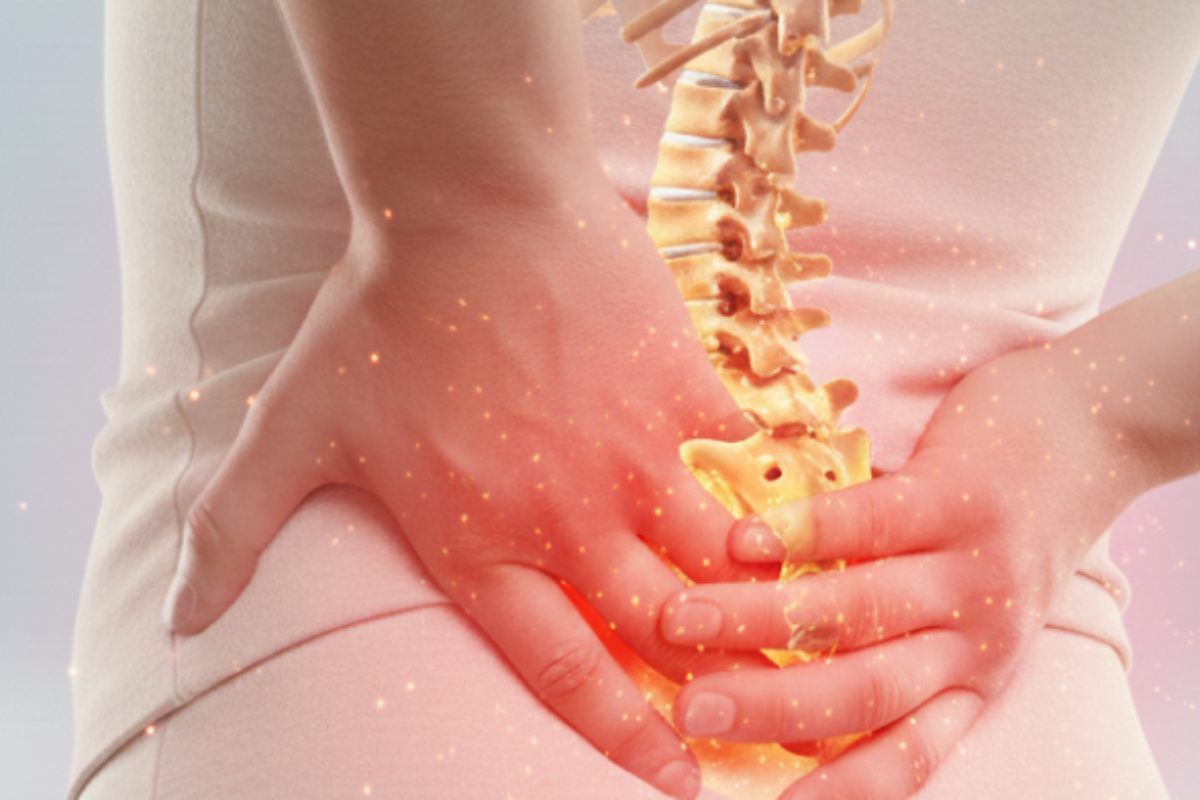
Back pain is extremely common, and most episodes are not caused by anything dangerous. Most low back pain is classified as nonspecific, meaning that no single disease or structural problem can be identified as the cause. It often improves with time and appropriate self-care. Still, a small number of cases are linked to nerve compression, infection, fracture, cancer, or another condition that needs prompt medical attention.
Doctors use the term “red flags” to describe symptoms or risk factors that raise the possibility of a more serious underlying cause. A red flag does not confirm that something serious is happening; clinicians weigh it together with a person’s medical history, examination findings, and how symptoms are progressing. Understanding what these signs are, and how they’re typically triaged, can help you recognize when a symptom is worth watching and when it calls for faster action.
What Are Back Pain Red Flags?
Red flags are specific symptoms or circumstances that shift the likelihood of a serious spinal problem, such as cauda equina syndrome, a spinal fracture, a spinal infection, or cancer affecting the spine. Some point toward a medical emergency requiring same-day evaluation in an emergency department. Others are less urgent but still warrant a prompt appointment rather than a wait-and-see approach. The sections below separate these two categories.
Emergency Symptoms That Need Immediate Assessment
Certain symptoms suggest a possible emergency involving the spinal cord or the nerves at its base, and self-monitoring is not appropriate. Seek immediate emergency medical assessment if back pain occurs together with any of the following:
- New loss of bladder or bowel control, or sudden difficulty starting urination or fully emptying the bladder
- Loss of normal bladder sensation, such as not being able to tell when the bladder is full
- Numbness around the genitals, anus, buttocks, or inner thighs (often described as “saddle” numbness)
- Severe or rapidly worsening weakness or numbness in one or both legs
- Serious back pain following major trauma, such as a significant fall or a car accident
- Severe back pain with fever, signs of systemic illness, or significant immune suppression
These symptoms can indicate cauda equina syndrome, a spinal fracture, or a spinal infection, all of which can cause lasting harm if evaluation is delayed. This is not a situation for self-diagnosis; emergency assessment is the safest course, not a routine appointment.
Cauda equina syndrome deserves particular attention because it is a well-recognized surgical emergency. It occurs when the bundle of nerve roots below the end of the spinal cord becomes compressed, most often by a large herniated disc, though spinal tumors, infection or abscess, severe spinal stenosis, epidural hematoma, and, in trauma, fracture fragments can also be responsible. Warning symptoms include urinary retention or incontinence, bowel dysfunction, saddle-area sensory changes, new sexual dysfunction, and severe or progressive leg weakness. Suspected cases require urgent imaging and prompt surgical assessment. When cauda equina syndrome is confirmed and surgery is indicated, decompression should be performed as quickly as clinically possible. Not every suspected case ultimately requires surgery, since treatment depends on the examination and imaging findings, but the first step is always urgent evaluation, not watchful waiting.
Symptoms That Need Prompt Medical Attention
Some symptoms don’t necessarily require an ambulance but still deserve prompt clinical assessment rather than being left to resolve on their own. These include:
- A personal history of cancer combined with new or changing back pain
- Unexplained weight loss alongside persistent back pain
- Persistent fever or other signs of systemic illness
- Pain that is constant, steadily worsening, or clearly different from previous episodes of back pain
- Continuing neurological symptoms, such as numbness, tingling, or weakness that isn’t improving
- Back pain in someone with significant osteoporosis or long-term corticosteroid use
- Back pain following even minor trauma in someone at higher risk of fracture
- A recent spinal injection, spinal surgery, or a serious infection elsewhere in the body
- Immune suppression or intravenous drug use
For these situations, arrange prompt medical assessment. Depending on the specific symptoms, the right first contact might be a primary-care doctor, an urgent-care service, or a relevant specialist; there isn’t one rigid rule for who to see first. Night pain that wakes someone up or doesn’t change with position is worth mentioning to a clinician, particularly alongside other factors on this list, such as a cancer history or unexplained weight loss, rather than being treated as proof of a serious problem on its own.
When Persistent Back Pain Should Be Evaluated
Most back pain improves within a few weeks with simple measures. When it doesn’t, an evaluation can help identify what’s going on. A first assessment can reasonably come from a primary-care clinician, a physiotherapist, or a musculoskeletal specialist, with referral to a spine specialist when appropriate.
Specialist evaluation may be worth considering when:
- Pain remains disabling despite appropriate initial management
- Symptoms are getting worse rather than better over time
- Sciatica or pain radiating down the leg persists
- Numbness, tingling, or weakness continues without improvement
- Neurological symptoms are progressing
- The diagnosis is uncertain
- Imaging or a specific intervention could realistically change the treatment plan
- A clinician suspects a particular spinal condition that needs specialist input
People with persistent symptoms or a suspected spinal condition may be referred to a spine center in Bangkok for specialist assessment, imaging when appropriate, and a treatment plan based on the underlying cause.
Risk Factors That Change the Level of Concern
Certain health backgrounds make red flag symptoms more significant. Osteoporosis increases the chance that even minor trauma could cause a fracture. Long-term use of immune-suppressing medication raises the risk of spinal infection. A personal history of cancer means new or changing back pain deserves closer attention, since metastatic disease can involve the spine. Diabetes, HIV, recent infections elsewhere in the body, and intravenous drug use are additional factors that can raise the likelihood of a serious spinal cause. The same red flags carry more weight when one or more of these factors is present, so it’s worth not waiting when a concerning symptom appears.
When Imaging May Be Appropriate
Routine X-ray, CT, or MRI scans are generally not recommended for uncomplicated new low back pain when no red flags are present. Only a small minority of low back pain cases are caused by serious underlying conditions. Early imaging without red flags can identify common age-related changes unrelated to the pain, increase anxiety, and lead to unnecessary follow-up procedures without improving recovery.
Imaging becomes appropriate when there is concern about cauda equina syndrome, a progressive neurological deficit, a spinal fracture, infection, cancer, or another serious underlying condition. Imaging, usually MRI, may also be considered for sciatica or radiating leg pain that hasn’t improved after an adequate trial of conservative treatment, often around six weeks or longer, particularly when the result could change what treatment is offered. Which scan, if any, is appropriate is a decision best made by the evaluating clinician, not requested by the patient in advance.
Managing Uncomplicated Back Pain at Home
Most nonspecific back pain improves with time and conservative self-care. Helpful approaches generally include staying gently active within a tolerable range of movement, continuing ordinary daily activities where possible, and avoiding prolonged bed rest, which can slow recovery rather than help it. Temporarily modifying activities that clearly worsen symptoms, applying heat or cold if it feels helpful, and gradually returning to normal activity as symptoms ease are all reasonable parts of self-care.
Pain medication can play a role, but it’s worth discussing options with a doctor or pharmacist, particularly for anyone who is pregnant, taking other medications, or living with kidney, stomach, liver, cardiovascular, or bleeding problems, or known allergies. If symptoms aren’t improving after a couple of weeks, or if they change or worsen, that’s a reasonable point to seek a clinical opinion rather than continuing to self-manage indefinitely.
Quick-Reference Triage Table
| Symptoms or situation | General next step |
| New bladder or bowel dysfunction, saddle sensory loss, rapidly progressive leg weakness, or serious back pain after major trauma | Seek immediate emergency assessment |
| Back pain with fever, systemic illness, immune suppression, a personal cancer history, or suspected fracture | Obtain prompt medical assessment |
| Persistent disabling pain, continuing sciatica, or non-progressive numbness and tingling | Arrange a clinical evaluation |
| Mild pain that is improving, with no concerning symptoms | Continue appropriate self-care and monitor |
This table offers general guidance only and cannot replace an individual medical assessment. Anyone unsure which category applies to their situation should contact a healthcare professional.
FAQs
What is cauda equina syndrome?
It happens when the bundle of nerve roots below the end of the spinal cord is compressed, most often by a large herniated disc, though tumors, infection, severe stenosis, epidural hematoma, and trauma can also be responsible. Warning symptoms include bladder or bowel dysfunction, saddle-area numbness, and progressive leg weakness. Because permanent nerve damage can occur without timely treatment, it requires emergency assessment and, when indicated, urgent surgery.
Does numbness or tingling always mean an emergency?
No. Mild, stable numbness or tingling, especially after a minor strain, often improves with conservative care. Worsening weakness, symptoms affecting both legs, saddle numbness, or new bladder or bowel changes, however, need urgent evaluation rather than watchful waiting.
Should everyone with back pain have an MRI?
No. Routine imaging isn’t recommended for uncomplicated low back pain without red flags, since most cases improve without it and early scans can lead to unnecessary anxiety or follow-up. Imaging is more likely to be appropriate when red flags are present or when sciatica hasn’t improved after a reasonable period of conservative treatment.
Can most back pain be treated without surgery?
Yes. The large majority of nonspecific back pain improves with conservative measures such as staying active, activity modification, and appropriate pain management. When a red flag condition is identified, treatment depends on the specific diagnosis and may involve observation, medication. Physical therapy, antibiotics, fracture management, cancer treatment, injections, or surgery.
Conclusion
Awareness of back pain red flags isn’t about assuming the worst every time your back hurts. It’s about knowing which symptoms call for emergency care. Which deserve a prompt appointment. and which can reasonably be managed at home while you monitor how things progress. Most back pain falls into that last category and resolves with simple, conservative care. When symptoms fall outside that pattern, particularly the emergency signs described above. Timely assessment gives clinicians the best opportunity to identify the cause and start appropriate treatment.